HIV/AIDS continues to be a global health concern. Understanding the disease, its treatment, and prevention is crucial in managing it. In this article, we tackle the top 10 frequently asked questions about HIV treatment.
1. What is AIDS and what causes it?
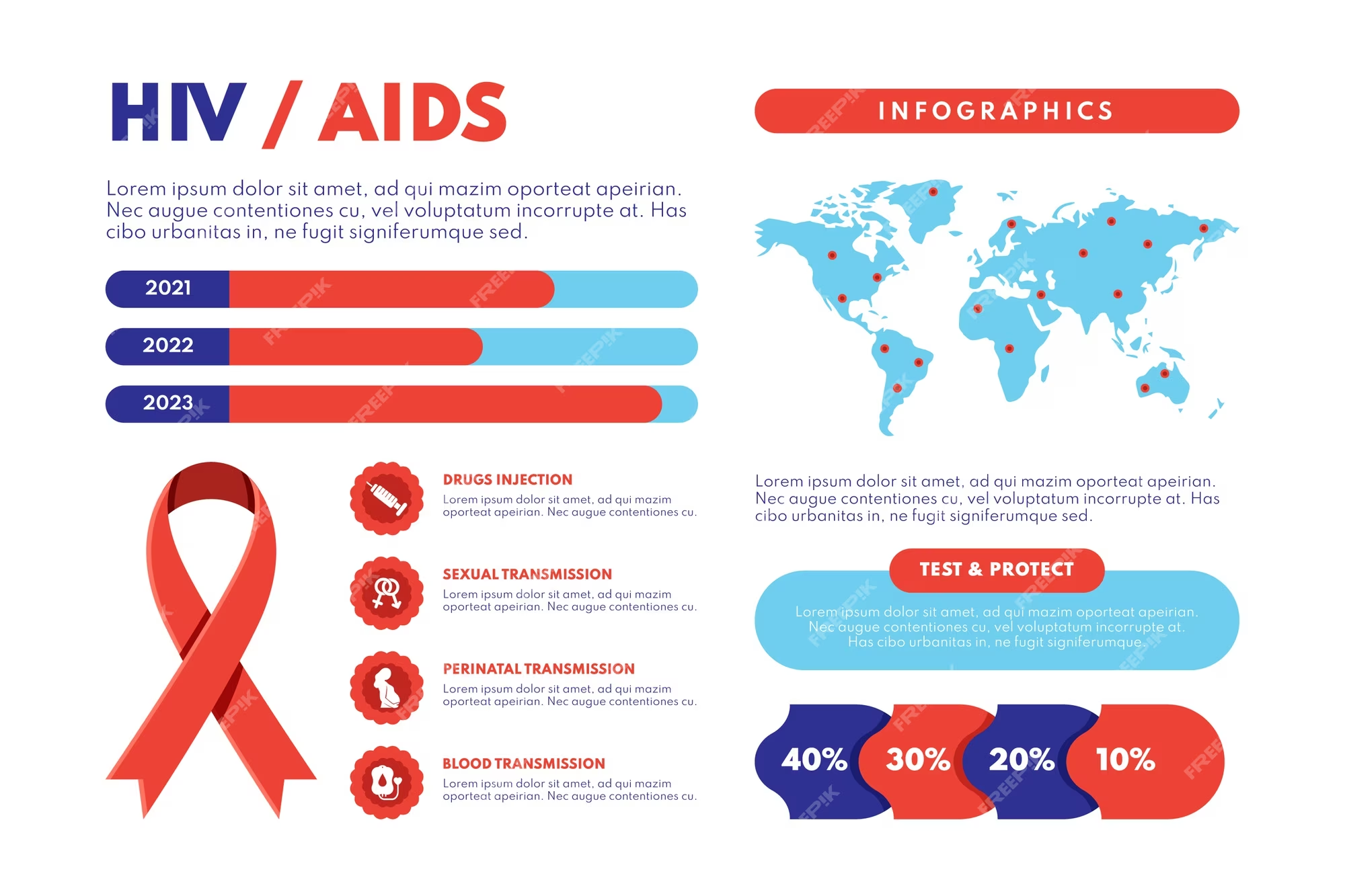
Image Source: FreeImages
AIDS stands for Acquired Immunodeficiency Syndrome. It is not inherited but develops after birth due to contact with the HIV virus. The disease is characterized by a weakening of the immune system, denoted by a decrease in the number of certain cells in the person’s immune system. It is diagnosed by a physician using specific clinical or laboratory standards. The agent responsible for AIDS is theHuman Immunodeficiency Virus (HIV), which targets the immune system and weakens a person’s defence system against infections.
2. How is HIV transmitted?
HIV is transmitted through specific activities which involve the exchange of body fluids. These include:
- Unprotected sexual intercourse (vaginal, anal, or oral) with an HIV-infected person.
- Sharing of needles and other drug injection equipment with someone infected with HIV.
- From an HIV-infected mother to her baby during pregnancy, delivery, or breastfeeding.
However, it’s crucial to note that HIV cannot be transmitted through casual contact such as hugging, shaking hands, or sharing food and drinks.
3. What are the symptoms of HIV infection?
In the early stages of HIV infection, individuals may experience flu-like symptoms such as fever, fatigue, and swollen lymph nodes. However, these symptoms can be easily mistaken for other illnesses. As the disease progresses, more severe symptoms such as rapid weight loss, recurring fever, prolonged diarrhea, and unusual blemishes on the skin may occur. The only definitive way to know if you have HIV is to get tested.
4. How is HIV diagnosed?
HIV is diagnosed through a blood test that detects the presence of HIV antibodies in the blood. These antibodies are proteins that the body produces in response to the HIV infection. It’s important to note that it can take several weeks to a few months for these antibodies to develop after initial infection. Therefore, it’s recommended to get tested three months after a potential exposure to ensure an accurate result.
5. What is HIV treatment?
HIV treatment involves the use of medication to manage the virus and prevent its progression into AIDS. This form of treatment is known as antiretroviral therapy (ART). ART involves a combination of HIV medicines taken daily to control the virus, helping people with HIV live longer, healthier lives and reducing the risk of HIV transmission.
6. How effective is HIV treatment?
When taken correctly, HIV treatment is highly effective. It can reduce the amount of HIV in the blood (viral load) to an undetectable level, which means the virus is no longer transmittable to others. However, this does not mean the person is cured of HIV. The virus is still present in the body, and if treatment is stopped, the viral load will likely increase.
7. What is the role of PREP in HIV prevention?
Pre-Exposure Prophylaxis (PREP) is a preventive measure for people at high risk of getting HIV. It involves taking a specific HIV medication daily to lower the chances of getting infected. When taken consistently, PREP has been shown to reduce the risk of HIV infection from sex by about 99%.
8. How can I prevent HIV transmission?
Several strategies can be employed to prevent HIV transmission. These include practicing safe sex by using condoms correctly every time you have sex, limiting the number of sexual partners, getting tested and treated for other sexually transmitted infections, and using PREP if you’re at high risk of infection. If you inject drugs, always use new, clean needles and syringes.
9. Can Pregnant women with HIV prevent passing the virus to their babies?
Yes, with proper treatment and care, the risk of an HIV-infected mother passing the virus to her baby can be reduced to less than 1%. This includes taking HIV medicines during pregnancy and childbirth, having a C-section if necessary, and not breastfeeding the baby.
10. Can people with HIV live normal lives?
With proper treatment and care, people with HIV can live long and healthy lives. Antiretroviral therapy has transformed HIV from a fatal disease into a manageable chronic condition. It’s vital for individuals with HIV to stay in care and take their medications as prescribed to keep the virus under control.
Understanding HIV treatment and prevention is key to managing this global health concern. Always consult with healthcare professionals for accurate information and never hesitate to get tested if you believe you may have been exposed to the virus.