Before we embark on our journey to understand HIV treatment, let’s demystify the complex world of HIV and AIDS. HIV, or Human Immunodeficiency Virus, is a stealthy invader of the body’s immune system, primarily targeting CD4 cells, also known as T cells. Over time, HIV’s relentless assault can decimate these cells, leaving the body vulnerable to infections and diseases.
When HIV progresses to its advanced stage, it’s designated as AIDS, or Acquired Immunodeficiency Syndrome. This progression isn’t immediate; it can take years without proper treatment. In the throes of AIDS, the immune system is severely compromised, making the body susceptible to even the most commonplace illnesses. Armed with this fundamental understanding, we can now delve into the world of HIV treatment.
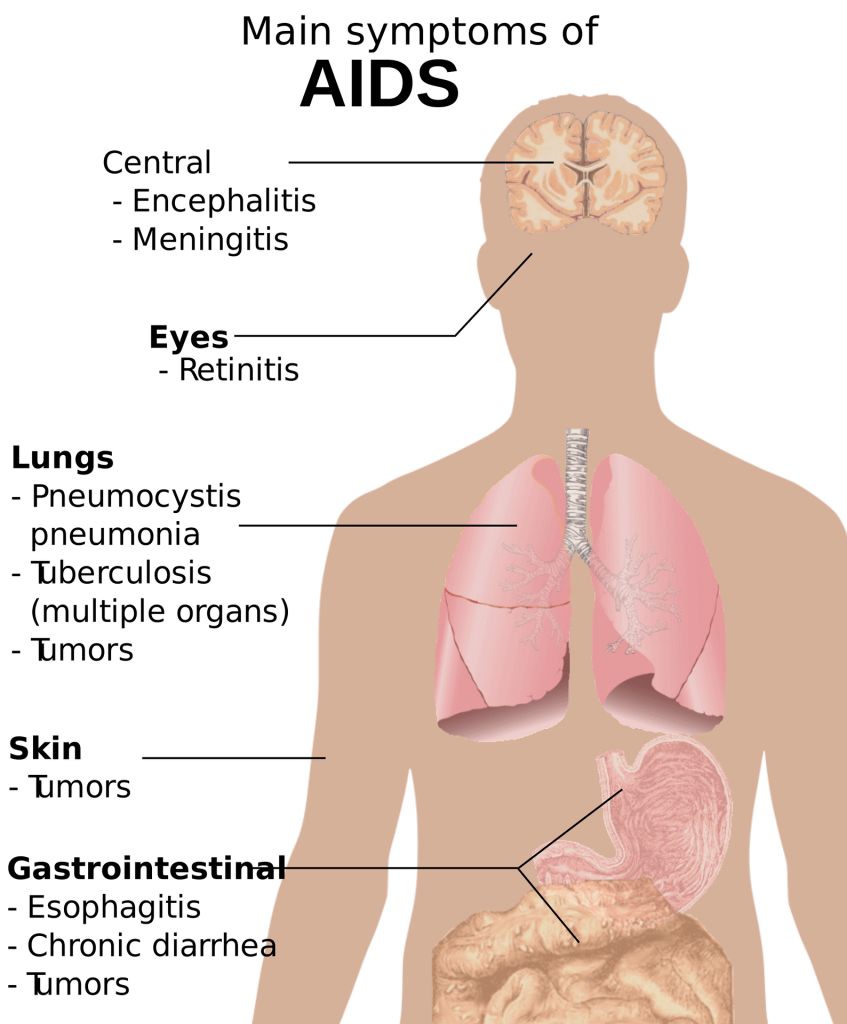
Photo byFotoshopTofs onPixabay
The Pillars of HIV Treatment
HIV treatment has witnessed remarkable progress over the years, allowing those diagnosed to lead long, healthy lives. The linchpin of HIV treatment is antiretroviral therapy (ART), an amalgamation of medicines designed to impede the virus’s progression within the body. While it’s important to note that HIV treatment is not a cure, it empowers individuals to effectively manage the virus, reducing the risk of developing AIDS and other severe complications.
Addressing Common Concerns
Like any medical treatment, HIV therapy raises certain concerns, particularly among those living with the condition. A predominant worry is the stigma and discrimination associated with HIV. It’s imperative to recognize that HIV doesn’t define a person’s character or worth; it’s a medical condition requiring care and management.
Another concern pertains to potential side effects of HIV medications. Although these side effects can be unpleasant, they are often manageable and tend to diminish over time. It’s crucial to understand that non-compliance with medication can lead to more severe health complications.
The Crucial Role of Antiretroviral Therapy
Antiretroviral therapy stands as the cornerstone of HIV treatment. It involves daily intake of a combination of HIV medications, which work in concert to halt the virus’s replication within the body. This serves to bolster the immune system and forestall the progression of HIV to AIDS. Importantly, while it can’t eradicate HIV, antiretroviral therapy enables individuals to lead long and healthy lives and significantly reduces the risk of transmitting the virus to others, rendering it an essential component of global HIV prevention efforts.
Delving into HIV Medications
HIV medications come in various types, each with its unique mechanism of action against the virus. These classes include Nucleoside Reverse Transcriptase Inhibitors (NRTIs), Non-Nucleoside Reverse Transcriptase Inhibitors (NNRTIs), Protease Inhibitors (PIs), and Integrase Inhibitors. Each class disrupts the virus’s lifecycle at different stages, effectively preventing its replication and dissemination within the body.
Navigating the Initiation of HIV Medications
Commencing HIV medication can be an intimidating endeavor. It’s essential to acknowledge that everyone’s experience is different, and the side effects encountered may vary. Nevertheless, many individuals report an overall improvement in their well-being once they begin their treatment regimen.
Common side effects include fatigue, nausea, and diarrhea, but these typically subside as the body adjusts to the medication. Your healthcare provider plays a pivotal role in managing any side effects you may experience, so open and honest communication with them is paramount.
The March of Progress in HIV and AIDS Treatment
In the fight against HIV and AIDS, substantial progress has been made. In the early years of the epidemic, an HIV diagnosis was tantamount to a death sentence. Today, thanks to medical and technological advancements, HIV is a manageable chronic condition. Ongoing research continues to unveil more about the virus and strategies to combat it. Recent breakthroughs encompass the development of long-acting HIV medications and persistent exploration of potential cures.
Managing the Side Effects of HIV Treatment
Effectively managing side effects is a crucial aspect of HIV treatment. It’s imperative to maintain open communication with your healthcare provider regarding any side effects you encounter, as they can often adjust your treatment plan to mitigate these effects.
Furthermore, lifestyle adjustments can assist in alleviating side effects. These may include maintaining a nutritious diet, engaging in regular exercise, and ensuring adequate sleep. It’s essential to bear in mind that while side effects can be challenging, they are frequently temporary and amenable to management.
The Future of HIV Treatment
The future of HIV treatment is luminous. With continued research and advancements in medicine, we are drawing closer to a world where HIV is no longer a death sentence but a manageable chronic condition.
Remember, if you or a loved one is contending with HIV, there is hope. Being proactive in your care, maintaining open communication with your healthcare provider, and understanding that you are not alone in this journey are pivotal steps. While we may not have all the answers yet, each day propels us one step closer to a cure.