Human Immunodeficiency Virus (HIV) is a persistent global public health issue. However, advancements in HIV treatment have brought hope, not only for improved patient health but also for reduced HIV transmission. This article aims to shed light on the remarkable correlation between HIV treatment and reduced risk of HIV transmission.
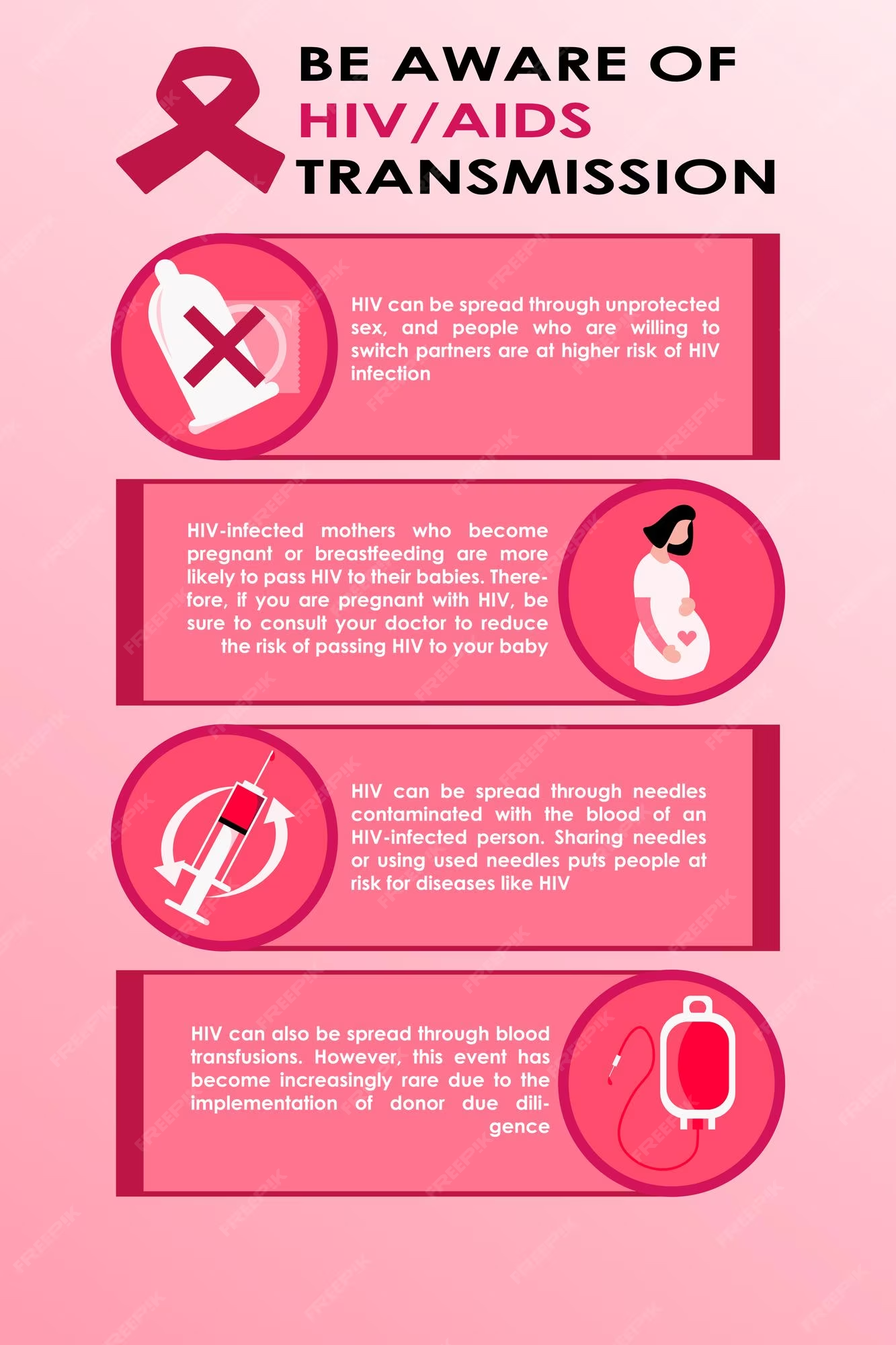
Image Source: FreeImages
Understanding HIV Treatment
HIV treatment involves the use of antiretroviral therapy (ART), a combination of medicines that work together to suppress the virus. The primary goal of ART is to reduce an individual’s viral load, which is the amount of HIV in the blood, to undetectable levels. When this happens, the person is said to have achieved viral suppression.
The Role of Antiretroviral Therapy
Antiretroviral therapy (ART) plays a pivotal role in managing HIV. ART consists of a regimen of HIV medicines taken daily to treat HIV infection. It helps people with HIV live longer, healthier lives and reduces the risk of HIV transmission.
The Advent of ART
ART has revolutionized the approach to HIV treatment since its introduction in the mid-1990s. As the standard treatment for HIV, it involves a combination of HIV medicines from at least two different HIV drug classes. The selection of HIV medicines to include in an ART regimen depends on a person’s individual needs.
Viral Suppression: The Ultimate Goal
The ultimate goal of HIV treatment is viral suppression, defined as having less than 200 copies of HIV per milliliter of blood. Attaining viral suppression not only improves the health of people living with HIV but also has a significant preventative impact. When the viral load is so low that it is undetectable by tests, this is termed as having an “undetectable viral load.”
The Relationship Between HIV Treatment and HIV Transmission
Medical research has provided compelling evidence of the relationship between HIV treatment and reduced risk of HIV transmission. The advent of ART has made it possible for people living with HIV to achieve an undetectable viral load, which has substantial implications for HIV prevention.
The Groundbreaking Evidence
Several research studies across the globe have contributed to the understanding of how HIV treatment can reduce the risk of HIV transmission. One notable study known as the HPTN 052 trial, conducted in nine countries, showed a 96% reduction in transmission risk when the HIV-positive partner was on ART. Other studies like PARTNER2, conducted in 14 European countries, found zero cases of transmission of HIV from an HIV-positive partner on antiretroviral therapy to an HIV-negative partner, as long as the viral load of the HIV-positive partner remained undetectable or very low.
U=U: Undetectable Equals Untransmittable
The correlation between HIV treatment and reduced HIV transmission has led to the groundbreaking U=U (Undetectable Equals Untransmittable) campaign. This campaign is based on the fact that people living with HIV who achieve and maintain an undetectable viral load cannot sexually transmit the virus to others. The U=U message has been endorsed by a plethora of HIV experts and health organizations worldwide.
The ‘Treatment As Prevention’ Strategy
The compelling evidence on the preventative impact of HIV treatment has given rise to the strategy known as ‘Treatment as Prevention’ (TasP). This strategy involves the early initiation of antiretroviral therapy in people living with HIV to maintain an undetectable viral load, thereby preventing the sexual transmission of HIV.
The Impact of TasP
The implementation of the TasP strategy has been transformative in the global fight against HIV. By reducing the viral load in a person living with HIV to undetectable levels, TasP not only helps the individual stay healthy, but it also significantly lowers the chance of passing the virus on to others. This dual benefit of TasP has made it a cornerstone of HIV prevention efforts.
Challenges in HIV Treatment and Prevention
Despite the promising results of HIV treatment in reducing transmission, several challenges persist. These include access to HIV testing and treatment, adherence to medication, drug resistance, and stigma and discrimination associated with HIV.
Access to HIV Testing and Treatment
One of the significant challenges in the fight against HIV is the lack of access to HIV testing and treatment services, particularly in low and middle-income countries. Early diagnosis and treatment are crucial for achieving viral suppression and preventing HIV transmission.
Adherence to Medication
Adherence to ART is vital for achieving and maintaining viral suppression. However, various factors, such as side effects, pill burden, and psychosocial issues, can affect a person’s ability to adhere to their HIV medication regimen.
Drug Resistance
Drug resistance is another challenge in the treatment of HIV. When HIV medicines are not taken as prescribed, the virus can mutate, leading to drug resistance. This can limit the options for successful HIV treatment and increase the risk of HIV transmission.
Stigma and Discrimination
Stigma and discrimination associated with HIV can deter people from getting tested, accessing treatment, and adhering to their medication. These barriers need to be addressed to maximize the preventative impact of HIV treatment.
The Future of HIV Treatment and Prevention
The evidence supporting the role of HIV treatment in reducing HIV transmission is a significant milestone in the global response to HIV. However, concerted efforts are needed to address the existing challenges and to ensure that the benefits of HIV treatment are realized by all.
Advocacy for Increased Funding
In light of the promising results of HIV treatment in preventing HIV transmission, advocacy for increased funding for HIV testing and treatment services is essential. This increased funding could help expand access to HIV services and ultimately reduce the number of new HIV infections.
Pharmaceutical Companies and HIV Treatment
Pharmaceutical companies play a pivotal role in the HIV response. As the demand for antiretroviral drugs expands, there is a growing call for pharmaceutical companies to lower the price of these life-saving medicines.
HIV Treatment and the United Nations
The United Nations has a crucial role in driving the global HIV response. The findings around HIV treatment and prevention are expected to be a prominent topic of discussion at the United Nations High-Level Meeting on AIDS.
In Conclusion
The evidence supporting the role of HIV treatment in reducing the risk of HIV transmission is compelling and has significant implications for HIV prevention strategies. By ensuring access to HIV testing and treatment, promoting adherence to medication, addressing drug resistance, and tackling stigma and discrimination associated with HIV, the full preventative potential of HIV treatment can be realized.
The journey towards an HIV-free world is a challenging one, but with the right strategies and concerted efforts, it is a goal that is within reach. The motto of U=U: “Undetectable Equals Untransmittable” is not just a slogan; it’s a reality that can change the lives of millions of people living with HIV and play a pivotal role in ending the HIV epidemic.