HIV treatment, also known as antiretroviral therapy (ART), has significantly evolved over the years. Modern ART drugs are highly effective in managing the disease, prolonging life, and improving the quality of life for people living with HIV. However, like all medications, HIV drugs can cause side effects that vary in severity from mild to life-threatening. This article explores the various side effects and complications associated with HIV treatment, offering insights into managing and preventing these adverse effects.
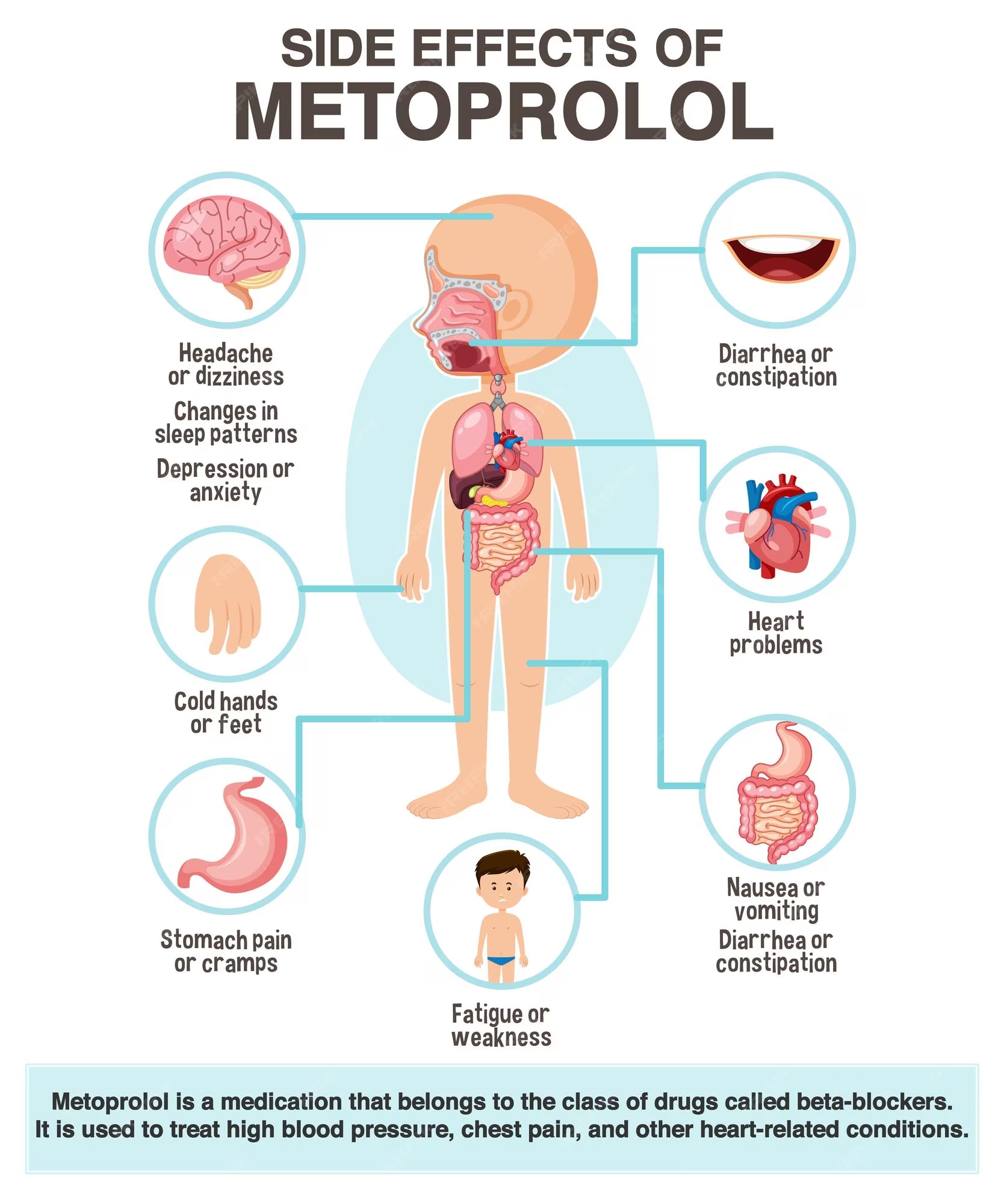
Image Source: FreeImages
1. What are Antiretroviral Drugs?
Antiretroviral drugs constitute the primary treatment for HIV. They are a class of medications that reduce the amount of the virus in the body, aiding in keeping the immune system strong enough to combat diseases. Although these drugs do not cure HIV, they are instrumental in managing the condition and enhancing the life expectancy and overall health of individuals living with the virus.
Currently, more than 40 antiretroviral drugs have been approved for HIV treatment. Most individuals on HIV treatment take two or more of these drugs daily throughout their lives.
2. Importance of Adherence to HIV Treatment
Adherence refers to the consistent and correct intake of prescribed medication. Adherence to antiretroviral drugs is crucial for their efficacy. If doses of these drugs are skipped, the virus can start replicating again, possibly leading to drug resistance. This scenario makes the treatment less effective and limits future treatment options.
However, adherence to treatment can be challenging due to the side effects of antiretroviral drugs. Some of these side effects can be severe enough to compel some individuals to discontinue their medication, emphasizing the need for effective management of these side effects.
3. Common Side Effects of Antiretroviral Drugs
Antiretroviral drugs can cause a variety of side effects, some of which are more common than others. A few of these side effects include:
- Appetite Loss: Characterized by a decreased desire to eat, can be caused by drugs such as abacavir and zidovudine.
- Diarrhea: Loose, watery stools occurring multiple times a day. Most HIV drugs can cause diarrhea.
- Fatigue: A lack of energy or a persistent sense of tiredness, can occur with zidovudine and efavirenz.
- Mood Changes: Changes in mood, including depression and anxiety, are possible side effects of HIV drug treatment. Efavirenz is known to cause mood changes.
- Nausea and Vomiting: Almost all HIV drugs can cause nausea, which sometimes leads to vomiting.
- Rash: A common side effect of almost all HIV medications. A severe rash can also be a symptom of an allergic reaction or another serious condition.
- Sleeping Trouble: Some HIV drugs, including efavirenz, emtricitabine, rilpivirine, indinavir, elvitegravir/cobicistat, and dolutegravir, can cause trouble sleeping.
4. Management of Side Effects
The management of side effects involves a combination of lifestyle changes, symptomatic treatments, and, in some cases, modification of the antiretroviral therapy. Here are some strategies to manage common side effects:
- Appetite Loss: Eating smaller, more frequent meals, consuming nutritional supplements, and considering appetite stimulants can help manage appetite loss.
- Diarrhea: Dietary changes, including eating fewer greasy, spicy, and dairy foods, can help manage diarrhea. Over-the-counter anti-diarrheal medications may also be useful.
- Fatigue: Maintaining a balanced diet, regular exercise, and avoiding harmful habits like smoking and alcohol consumption can help manage fatigue.
- Mood Changes: For individuals experiencing mood changes, seeking counseling or considering antidepressant medications may be beneficial.
- Nausea and Vomiting: Consuming smaller portions of food throughout the day, eating bland foods, and taking meals cold rather than hot can help manage nausea and vomiting. Antiemetic medications can control persistent nausea.
- Rash: Rash management includes moisturizing the skin daily, using cool or lukewarm water for baths, using mild soaps, and wearing breathable fabrics like cotton. An antihistamine medication may also be helpful.
- Sleeping Trouble: Regular exercise, maintaining a consistent sleep schedule, avoiding caffeine close to bedtime, and creating a comfortable sleep environment can help manage sleep problems.
5. More Serious Side Effects
In addition to the common side effects, antiretroviral drugs can also cause more severe side effects. Some of these include:
- High Cholesterol and Triglycerides: Some antiretroviral drugs can cause an increase in cholesterol and triglycerides levels. Lifestyle changes, such as a healthy diet and regular exercise, can help manage this side effect. In some cases, cholesterol-lowering medications may be required.
- Bone Problems: Certain HIV drugs can cause bone loss. Regular exercise, a healthy diet, and certain medications can help manage this side effect.
- Liver Problems: Antiretroviral therapy can be tough on the liver. Regular liver function tests can help monitor liver health and manage potential side effects.
- Kidney Problems: Some HIV medications can cause kidney problems. Regular urine and blood tests can help detect these problems early, enabling timely intervention.
- Heart Disease: Some antiretroviral drugs can increase the risk of heart disease. Regular exercise, a healthy diet, and quitting smoking can help reduce this risk.
6. Monitoring Side Effects
Regular monitoring is crucial in managing the side effects of antiretroviral therapy. Healthcare providers typically conduct regular blood tests, including cholesterol tests, and check urine samples for protein to monitor for potential side effects. Regular communication with healthcare providers about any new or unusual side effects is also essential.
7. Switching Treatment Due to Side Effects
In cases where side effects persist or are severe, it may be necessary to switch to a different antiretroviral drug. However, this must be done under medical supervision to ensure the new treatment is effective and does not cause more severe side effects.
8. Importance of a Healthcare Team
Working closely with a healthcare team is vital in managing side effects and ensuring adherence to HIV treatment. With careful monitoring and follow-up, healthcare professionals can help find the most effective antiretroviral regimen with the fewest side effects.
9. Living with HIV and Managing Side Effects
Living with HIV and managing the side effects of antiretroviral therapy is a long-term commitment. However, with the right treatment regimen and effective management of side effects, individuals living with HIV can lead healthier and longer lives.
10. Further Information and Support
Further information and support are available from healthcare providers and various online resources. These resources provide valuable information on the side effects of antiretroviral drugs and offer tips on managing these side effects.