People living with HIV (Human Immunodeficiency Virus) experience heightened vulnerability to various infectious diseases. This makes vaccinations a pivotal aspect of their healthcare strategy. In this article, we delve into the role of immunizations in HIV treatment and prevention, shedding light on the types of vaccines recommended for individuals with HIV, their safety, efficacy, and the potential risks associated with certain vaccines.
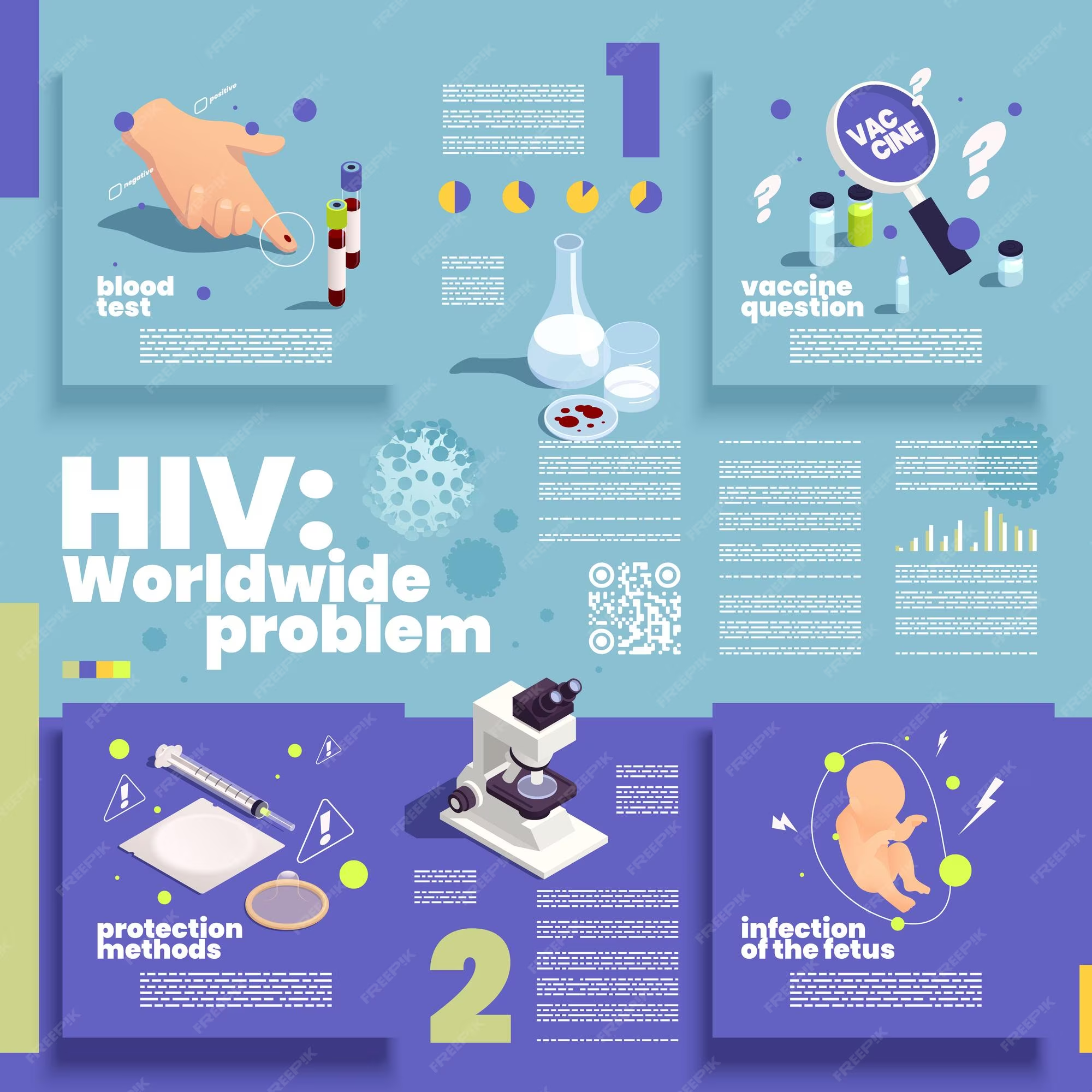
Understanding Vaccinations for People with HIV
Vaccinations play a critical role in healthcare, offering protection against a host of infectious diseases. For individuals living with HIV, the need for immunizations is even more pronounced. This is primarily due to their increased susceptibility to diseases that could be prevented through vaccines.
Why are Vaccinations Crucial for People with HIV?
Vaccines work by stimulating the body’s immune system to mount a defense against specific diseases. This process, known as vaccination or immunization, enables the immune system to “learn” how to defend the body against the disease. In the case of individuals with HIV, this immune response is vital as their natural defenses against vaccine-preventable diseases are diminished due to the virus’s impact on their immune system.
Are Vaccines Safe for People with HIV?
In general, vaccines are considered safe and effective. However, the safety and appropriateness of certain vaccines for individuals with HIV depend on several factors, including the type of vaccine and the person’s degree of immunosuppression. For example, inactivated vaccines are typically deemed safe for individuals with HIV, while live vaccines may pose risks for those with severe immunosuppression.
Recommended Vaccinations for People with HIV
Several health organizations, including the Centers for Disease Control and Prevention (CDC), National Institutes of Health (NIH), HIV Medicine Association (HIVMA), British HIV Association (BHIVA), and the New York State Department of Health AIDS Institute (NYSDOH AI), have issued guidelines on the vaccinations recommended for individuals with HIV.
General Vaccines
The following vaccines are generally recommended for all adults with HIV:
- COVID-19 Vaccine: Given the increased risk of severe COVID-19 infection in individuals with HIV, vaccination against COVID-19 is recommended for all adults with HIV, regardless of their prior history of COVID-19 infection.
- Hepatitis B Vaccine: Hepatitis B is a liver infection that can cause serious health problems. Therefore, vaccination against Hepatitis B is recommended for individuals with HIV.
- Influenza (Flu) Vaccine: Influenza can lead to serious complications, particularly in individuals with weakened immune systems. As such, an annual flu vaccine is recommended for people with HIV.
- Pneumococcal Vaccine: This vaccine protects against pneumococcal disease, including pneumonia, which people with HIV are at an increased risk of contracting.
- Human Papillomavirus (HPV) Vaccine: HPV is a common sexually transmitted infection that can lead to certain types of cancer. The HPV vaccine is typically recommended for women and gay and bisexual men with HIV up to the age of 26.
- Hepatitis A Vaccine: Hepatitis A is a highly contagious liver infection. The Hepatitis A vaccine is recommended for individuals with HIV who are at risk for the disease.
- Meningococcal Vaccine: This vaccine protects against meningococcal disease, a serious bacterial illness. It is usually recommended for people with HIV under 25 years and sometimes for gay and bisexual men.
- Tetanus, Diphtheria, and Pertussis (Whooping Cough) Vaccine: A single vaccine, called Tdap, offers protection against these three diseases and is recommended for all adults with HIV.
Travel-Related Vaccines
Certain vaccines are recommended for individuals with HIV who are travelling to specific regions. These include the Cholera, Japanese Encephalitis, Tick-borne Encephalitis, Typhoid, and Yellow Fever vaccines. However, the Yellow Fever vaccine, which is a live vaccine, is not recommended for individuals with HIV who have a CD4 count below 200 or are over 60 years of age due to the potential risks associated with live vaccines in these individuals.
Vaccines to Avoid for People with HIV
While vaccines provide vital protection against numerous diseases, some vaccines may pose risks to individuals with HIV. These include live vaccines such as the live influenza vaccine, live smallpox vaccine, Bacillus Calmette-Guérin (BCG) for Tuberculosis (TB), and the live typhoid vaccine. The risks associated with these vaccines typically arise from the potential for severe reactions in individuals who are immunosuppressed.
The Role of Healthcare Providers
Healthcare providers play a crucial role in determining the appropriate vaccines for individuals with HIV. They should discuss the benefits and potential side effects of each vaccine with their patients and consider the individual’s age, previous vaccinations, risk factors for specific diseases, and certain HIV-related factors when recommending vaccines.
Healthcare providers should also emphasize the importance of family members and close contacts of individuals with HIV receiving all age-appropriate vaccinations to reduce the patient’s exposure to vaccine-preventable diseases.
Conclusion
Immunizations are a critical component of healthcare for individuals with HIV, offering protection against various infectious diseases. By following the appropriate guidelines and consulting with healthcare providers, individuals with HIV can ensure they receive the right vaccines to safeguard their health. As research continues to evolve, further advancements in the field of vaccinations promise to enhance the health and wellbeing of individuals living with HIV.