The human immunodeficiency virus (HIV) has remained a significant global health challenge. It affects millions of people worldwide, with a considerable number of patients relying on antiretroviral therapy (ART) for survival. This therapy is crucial in controlling HIV replication, reducing the viral load, and enhancing the capacity of the immune system to fight off infections and diseases.
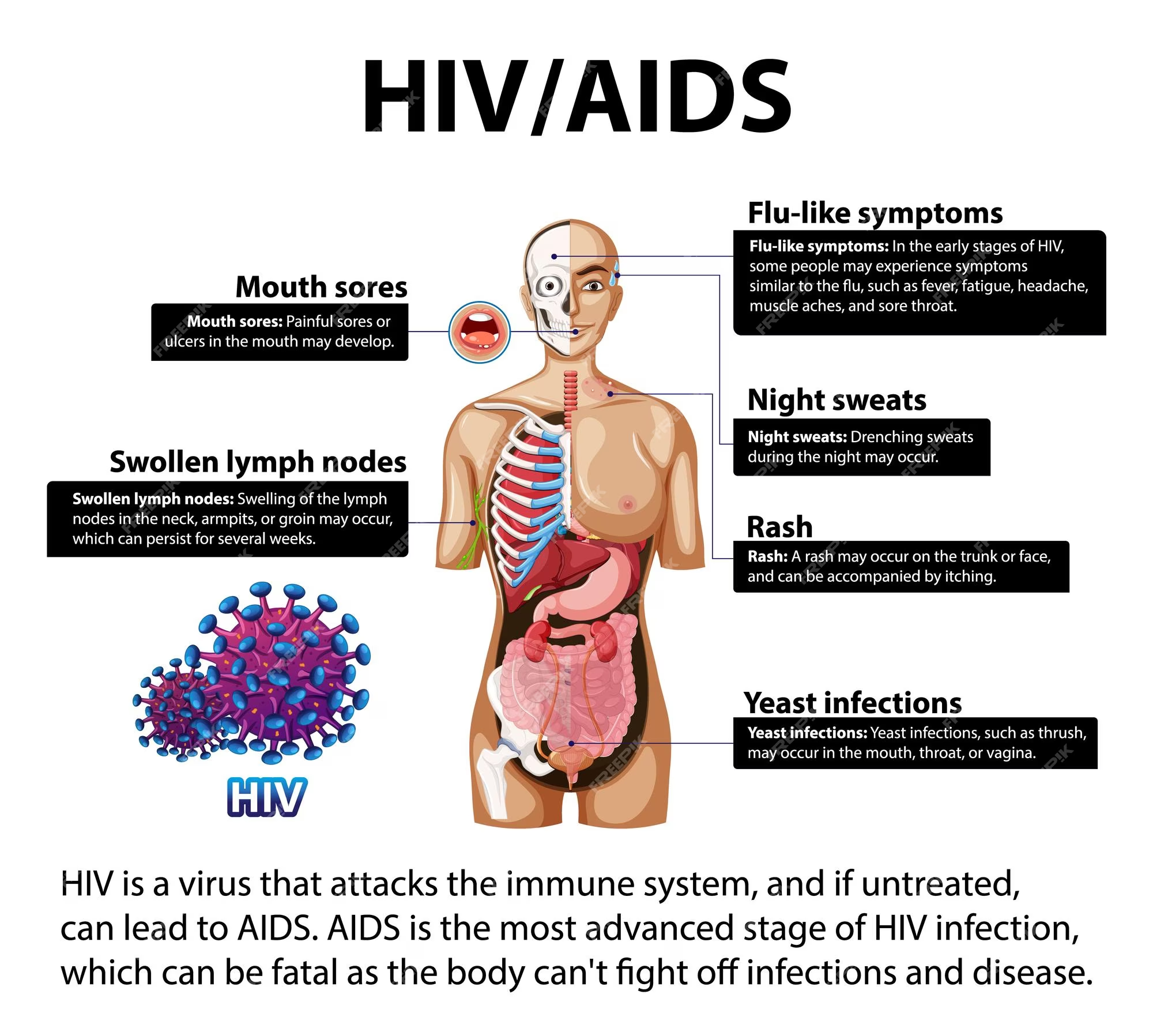
Image Source: FreeImages
Understanding HIV Infection and the Immune System
The HIV virus primarily targets the CD4+ T cells, a type of immune cell that plays a pivotal role in maintaining a healthy immune response. When the virus infects these cells, it reduces the body’s ability to fight off infections and diseases, leading to a compromised immune system.
HIV infection progresses through three stages: the acute infection stage, the clinical latency stage, and the Acquired Immunodeficiency Syndrome (AIDS) stage. During the acute infection stage, the virus replicates rapidly, leading to a decrease in the number of CD4+ T cells. The clinical latency stage is characterized by slower viral replication. However, without treatment, the virus will eventually deplete the CD4+ T cells, leading to AIDS, the last and most severe stage of the infection.
The Role of Antiretroviral Therapy (ART) in HIV Treatment
Antiretroviral therapy is a form of treatment that uses antiretroviral drugs to control HIV replication. These drugs inhibit the virus’s ability to replicate, thereby reducing the viral load in the body. ART has been instrumental in improving the survival rates of individuals living with HIV, transforming the once fatal infection into a manageable chronic disease.
The goal of ART is to suppress the viral load to undetectable levels, allowing the immune system to recover and rebuild its CD4+ T cell count. This immune reconstitution is crucial in protecting the body against opportunistic infections and improving the patient’s overall health status.
Impact of ART on Immune Reconstitution
The initiation of ART usually results in a rapid increase in CD4+ T cell count, primarily due to the redistribution of these cells from the lymphoid tissues to the blood. This redistribution is a result of the reduced immune activation caused by the suppression of viral replication.
However, the recovery of CD4+ T cells under ART is not solely due to redistribution. Other mechanisms at play include the production of new CD4+ T cells by the thymus, homeostatic proliferation of residual CD4+ T cells, and extension of CD4+ T cell half-life. These mechanisms contribute to the sustained increase in CD4+ T cell count, often observed for several years under effective ART.
Immune Activation and HIV Persistence
Persistent immune activation, despite ART, is a common feature in HIV infection. This persistent activation is associated with the sustained production of activated T cells, which provide more target cells for HIV, resulting in immune deficiency.
The persistent immune activation is also associated with the persistence of HIV. Ongoing HIV replication in host reservoirs contributes to persistent immune activation. This interaction between immune activation and viral replication is a key aspect of HIV pathogenesis.
The Paradox of Immune Activation
While immune activation is a natural response to viral infections, in the context of HIV, it appears to play a dual role. On one hand, it contributes to the control of viral replication by generating an effective immune response. On the other hand, by providing more target cells for the virus, immune activation may enhance viral replication and accelerate disease progression.
This paradoxical effect of immune activation has led researchers to investigate strategies to reduce immune activation as a means to improve HIV treatment outcomes. Such strategies include the use of immune modulators and antiretroviral therapy intensification.
Assessing the Effectiveness of Immune Modulation
Recent studies have explored the impact of immune modulation on HIV treatment outcomes. These studies indicate that while reducing immune activation can lower peak viremia, it can also impair the generation of effective virus-specific immune responses. This impairment can significantly affect the ability of the immune system to control viral replication in the long term.
The Future of HIV Treatment
The understanding of the complex interplay between HIV, the immune system, and antiretroviral therapy is continuously evolving. The challenge lies in finding a balance between suppressing viral replication and reducing immune activation without compromising the body’s ability to mount an effective immune response against the virus.
Emerging therapeutic interventions are targeting various aspects of HIV infection and persistent immune activation. These include chemokine receptor inhibitors, anti-inflammatory drugs, antifibrotic drugs, and strategies to enhance T cell renewal.
The ultimate goal of HIV treatment remains the achievement of a ‘functional cure’ – where HIV is present in the body but controlled without the need for ongoing antiretroviral therapy. The progress in understanding the role of immune activation and its modulation in HIV treatment brings us a step closer to this goal.
In conclusion, the management of HIV has significantly evolved over the years, thanks to advancements in antiretroviral therapy and our understanding of the immune response to the virus. However, the journey towards a cure for HIV is far from over. The challenge remains to find a delicate balance between suppressing the virus, managing immune activation, and maintaining an effective immune response. As research continues, we move closer to achieving this goal, promising a future where HIV can be controlled, if not entirely eradicated.