Joint United Nations Program on HIV/AIDS
The Joint United Nations Program on HIV/AIDS (UNAIDS) is a globally renowned initiative aimed at preventing and controlling the spread of HIV/AIDS. It was established in 1996 as a collaborative approach from a consortium of UN organizations to respond to the global HIV/AIDS epidemic. UNAIDS is dedicated to providing universal access to high-quality, cost-effective HIV prevention, treatment, and support services.
UNAIDS is a champion of the global response to HIV/AIDS, working to eliminate the stigma and discrimination that those living with the disease often face. Its strategic goals include reducing new HIV infections and AIDS-related deaths and ensuring that the human rights of those affected by HIV/AIDS are respected and protected.
Photo byClker-Free-Vector-Images onPixabay
The Joint United Nations Program on HIV/AIDS has been at the forefront of global efforts to combat the HIV/AIDS epidemic since its inception. Through its comprehensive approach to HIV/AIDS prevention, treatment, and care, UNAIDS has significantly contributed to mitigating the impact of the disease, particularly in developing countries.
Why is HIV More Common in Poorer Countries?
HIV/AIDS is disproportionately prevalent in poorer countries, particularly those in Sub-Saharan Africa. The reasons for this are manifold. Firstly, many developing countries lack the infrastructure and resources required to effectively combat the disease. Health education is often inadequate, leading to a lack of understanding about how the virus is transmitted and how to prevent infection.
Secondly, social and economic factors play a significant role in the spread of HIV/AIDS. High levels of poverty, inequality, and social instability make it challenging to implement effective prevention and treatment strategies. Lack of access to quality health care, stigma, and discrimination further exacerbate the situation.
Thirdly, many poorer countries have high rates of other sexually transmitted infections, which can increase the risk of HIV transmission. Additionally, cultural practices, such as multiple sexual partners and intergenerational sex, contribute to the high incidence of HIV in these regions.
The Health Care Situation in Developing Countries
Health care in developing countries is often characterized by a lack of resources, inadequate infrastructure, and insufficiently trained health workers. This means that many people in these countries do not have access to the basic health services they need.
In relation to HIV/AIDS, the health care situation in many developing countries is particularly dire. Despite considerable progress in recent years, millions of people living with HIV in these countries do not have access to the antiretroviral therapy (ART) they need to manage their condition and live healthy, productive lives.
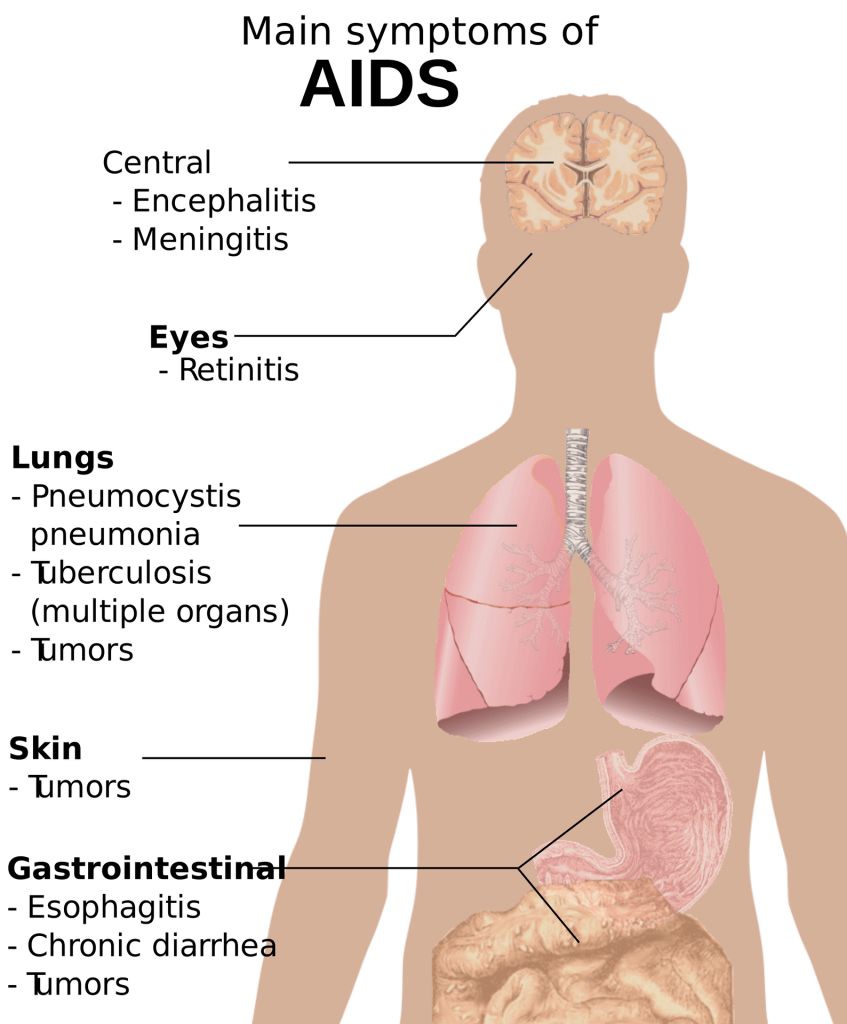
The challenges of providing effective HIV care in developing countries are numerous. These include a lack of funding, inadequate health infrastructure, and a shortage of trained health workers. Additionally, stigma and discrimination often prevent people living with HIV from accessing the services they need.
The Role of Free Treatment for HIV in Combating the Pandemic
Free treatment for HIV plays a crucial role in combating the pandemic. Access to antiretroviral therapy is essential for people living with HIV as it helps to control the virus and prevent progression to AIDS. It also reduces the risk of transmission, contributing to efforts to halt the spread of the virus.
In developing countries, where the burden of HIV is greatest, free treatment is particularly important. Many people in these countries cannot afford to pay for antiretroviral therapy, and without access to free treatment, they would be left to cope with the disease without the necessary medical support.
The Joint United Nations Program on HIV/AIDS has been instrumental in expanding access to free treatment for HIV in developing countries. Through its efforts, millions of people living with HIV are now able to access the life-saving therapy they need.
The Impact of the Joint United Nations Program on HIV/AIDS in Africa
The impact of the joint united nations program on HIV/AIDS in Africa has been significant. Through its comprehensive approach to HIV/AIDS prevention, treatment, and care, UNAIDS has made tremendous strides in combating the disease in the region.
One of the key achievements of UNAIDS in Africa is the dramatic increase in the number of people accessing antiretroviral therapy. In 2000, only a few thousand people in Africa were receiving this life-saving treatment. Today, thanks to the efforts of UNAIDS and its partners, millions of people in Africa are on antiretroviral therapy.
UNAIDS has also played a crucial role in reducing new HIV infections and AIDS-related deaths in Africa. Through its advocacy work, UNAIDS has helped to mobilize resources for HIV/AIDS programs and has championed the rights of people living with HIV.
When Did the First AIDS Treatment Program Start in Africa?
The first AIDS treatment program in Africa started in 2001 in Botswana, with the launch of the Masa (which means ‘new dawn’ in Setswana) program. This initiative, backed by the Botswana government and supported by international partners, aimed to provide free antiretroviral therapy to all citizens living with HIV.
The program marked a significant turning point in the fight against HIV/AIDS in Africa. Prior to this, access to antiretroviral therapy in the continent was extremely limited. The Masa program demonstrated that large-scale provision of antiretroviral therapy was feasible in a resource-limited setting, paving the way for other countries in the region to launch similar initiatives.
Today, thanks to the efforts of UNAIDS and its partners, access to antiretroviral therapy in Africa has increased dramatically. However, despite this progress, many people in the region are still unable to access the treatment they need.
Comparison of HIV Treatments Available in Developed and Developing Nations
There are significant disparities in the availability of HIV treatments between developed and developing nations. In developed countries, people living with HIV have access to a wide range of antiretroviral drugs, and the management of HIV has become a chronic condition rather than a death sentence.
In contrast, in many developing countries, access to antiretroviral therapy is still limited. While the situation has improved significantly over the past decade, thanks in large part to the efforts of UNAIDS, many people living with HIV in these countries are still unable to access the treatment they need.
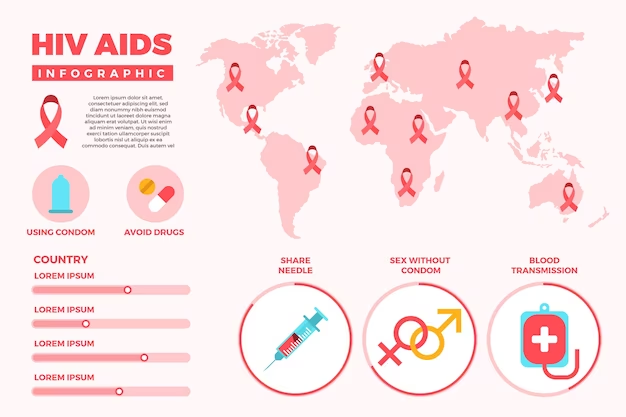
In addition to disparities in access to treatment, there are also significant differences in the quality of HIV care between developed and developing countries. In developed countries, people living with HIV are more likely to receive regular monitoring and follow-up care, which is critical for managing the disease effectively.
The Best and Worst Countries to Live with HIV
The experience of living with HIV varies greatly from country to country. In some countries, people living with HIV have access to high-quality health care, supportive social services, and legal protections. In others, they face significant barriers to care, stigma, and discrimination.
Sweden is often cited as one of the best countries to live with HIV. The country has a high standard of HIV care, and people living with HIV have access to free antiretroviral therapy. Sweden also has strong laws protecting the rights of people living with HIV.
On the other end of the spectrum, countries like Russia and Ukraine are considered among the worst places to live with HIV. In these countries, people living with HIV face significant barriers to accessing treatment and care, and the stigma and discrimination against people living with HIV is rampant.
Progress in the Fight Against HIV/AIDS: Which Countries are HIV-Free?
Despite the ongoing challenges, significant progress has been made in the fight against HIV/AIDS. Today, several countries have managed to virtually eliminate HIV transmission, thanks to aggressive prevention and treatment strategies.
Cuba was the first country in the world to receive validation from the World Health Organization for eliminating mother-to-child transmission of HIV. Other countries that have made significant progress in reducing HIV transmission include Switzerland, Australia, and the United Kingdom.
However, it is important to note that being ‘HIV-free’ does not mean that there are no people living with HIV in these countries. Rather, it means that the rate of new infections is so low that the disease is not considered a public health threat.
Assessing Risk: Areas of the World Where People are Most at Risk for HIV Infections
Sub-Saharan Africa remains the region most heavily affected by HIV. In 2019, approximately 26 million people in this region were living with HIV, accounting for nearly two-thirds of the global total. Other high-risk regions include Eastern Europe and Central Asia, where HIV prevalence rates are rising.
Certain populations are particularly at risk for HIV infection, including men who have sex with men, people who inject drugs, sex workers, and transgender people. In many parts of the world, these populations face significant barriers to accessing HIV prevention and treatment services, contributing to high rates of HIV infection.
Conclusion: The Future of the Joint United Nations Program on HIV/AIDS in Developing Nations
The Joint United Nations Program on HIV/AIDS has played a crucial role in combating HIV/AIDS in developing nations. Through its efforts, millions of people living with HIV now have access to life-saving treatment, and significant progress has been made in reducing new HIV infections and AIDS-related deaths.
However, the battle against HIV/AIDS is far from over. Millions of people are still living with the disease, and many do not have access to the treatment they need. The stigma and discrimination against people living with HIV remain rampant, and there are significant disparities in access to HIV care between developed and developing countries.
Moving forward, UNAIDS will continue to play a crucial role in the global response to HIV/AIDS. Through its advocacy work, UNAIDS will continue to champion the rights of people living with HIV and push for increased access to prevention, treatment, and care services. With sustained commitment and action, we can make significant strides towards ending the HIV/AIDS epidemic.