The landscape of HIV treatment has evolved considerably over the years. Advancements in medical research have introduced highly effective treatment options that not only improve the health of individuals living with HIV but also prevent the transmission of the virus to others. The primary goal of HIV treatment is to reduce the viral load to an undetectable level. This means that the amount of HIV in the blood is so low that a lab test can’t measure it. Achieving an undetectable viral load not only improves the health of people living with HIV but also prevents the transmission of the virus to others.
This article delves into the comparative analysis of the two major types of HIV treatment options available today – HIV pills and HIV injections. Each comes with its own set of benefits and drawbacks, which will also be examined in detail.
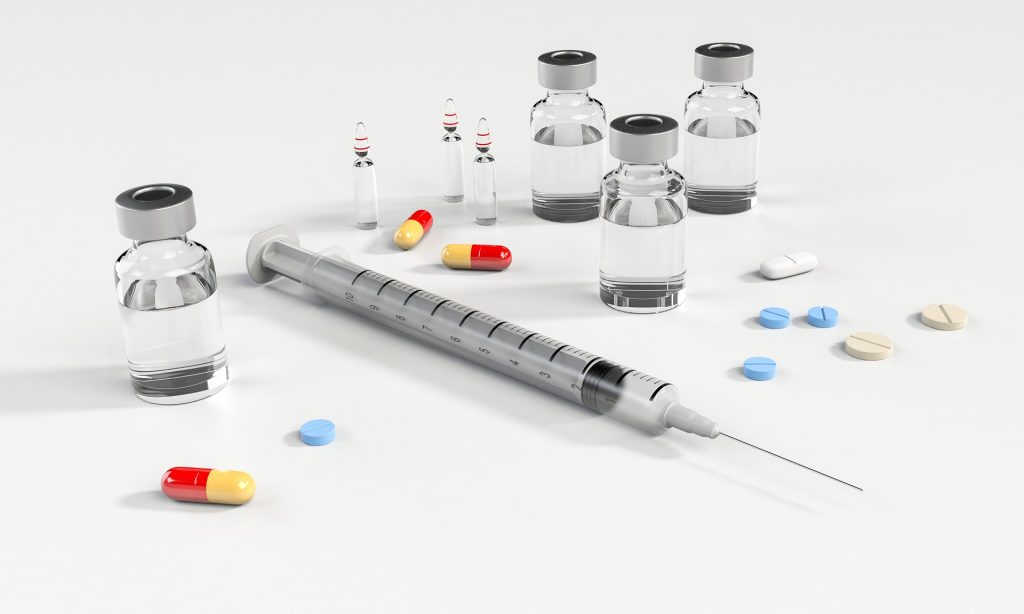
Photo byqimono onPixabay
Understanding HIV Treatment
HIV treatment, also known as antiretroviral therapy (ART), involves the use of medications to manage the human immunodeficiency virus (HIV). These drugs don’t cure HIV, but they suppress the virus, allowing individuals to live longer, healthier lives, and reducing the chances of transmitting HIV to others.
The Goal of HIV Treatment
The main goal of HIV treatment is to reduce the viral load in a person’s body to an undetectable level. When the viral load is undetectable, the virus is still present in the body, but it is at such low levels that standard lab tests can’t detect it. Achieving and maintaining an undetectable viral load is crucial for the health of the individual and for preventing the spread of HIV.
Adherence to HIV Treatment
Adherence to HIV treatment is critical for its success. Missing doses can lead to drug resistance, which makes the medications less effective. It can also lead to treatment failure, where the viral load increases, and the immune system weakens. Therefore, it’s vital for individuals to take their HIV medications exactly as prescribed by their healthcare provider.
HIV Pills
HIV pills, or oral antiretroviral therapy, have been the standard form of HIV treatment for many years. These medications need to be taken daily to maintain an undetectable viral load.
The Effectiveness of HIV Pills
HIV pills are highly effective at controlling the virus when taken correctly and consistently. They can reduce the viral load to undetectable levels, improve immune function, and significantly decrease the risk of HIV transmission.The Challenges of HIV Pills
Despite the effectiveness of HIV pills, there are some challenges associated with this form of treatment. These include the necessity for daily adherence, potential side effects, and the psychological burden of daily medication intake. Some individuals may also face challenges with access to medication, cost, and stigma associated with taking HIV medication.
HIV Injections
HIV injections, or long-acting injectable antiretroviral therapy, are a newer form of HIV treatment. These injections are given by a healthcare provider and offer an alternative to daily pills.
The Effectiveness of HIV Injections
Recent studies have shown that HIV injections can be as effective as daily pills in controlling the virus. The injections are administered once a month or once every two months, depending on the specific regimen.
The Benefits of HIV Injections
HIV injections offer several benefits over daily pills. They eliminate the need for daily medication intake, which can improve adherence to treatment. The injections also offer more privacy, as they are administered by a healthcare provider and do not require individuals to store or carry medication.
Comparing HIV Pills and Injections
When comparing HIV pills and injections, it’s crucial to consider the effectiveness, convenience, side effects, and individual preferences.
Effectiveness
Both HIV pills and injections are highly effective at controlling the virus when used correctly. They can both reduce the viral load to undetectable levels, improve immune function, and significantly decrease the risk of HIV transmission.
Convenience
In terms of convenience, HIV injections may have the edge over pills for some individuals. The injections eliminate the need for daily medication intake, which can simplify treatment routines. However, they do require regular visits to a healthcare provider for administration.
The Future of HIV Treatment
The future of HIV treatment looks promising, with ongoing research exploring new treatment options and strategies. These include long-acting injectables, slow-release implants, and even potential cures.
Long-acting HIV Treatments
Long-acting HIV treatments, such as the injectable medications discussed earlier, are a significant advancement in HIV treatment. These treatments could transform HIV management by offering a more convenient and potentially more effective alternative to daily pills.
Slow-release Implants and Polymer-based Pills
Slow-release implants and polymer-based pills are currently being explored as potential future HIV treatments. These options could further improve treatment adherence and convenience by reducing the frequency of medication intake.
Choosing the Right HIV Treatment
Choosing the right HIV treatment is a personal decision that should be made in consultation with a healthcare provider. Factors to consider include the effectiveness of the treatment, potential side effects, convenience, and personal preferences.
Discussing Options with a Healthcare Provider
It’s crucial to discuss all available treatment options with a healthcare provider to make an informed decision. The provider can explain the benefits and drawbacks of each option and help determine the best treatment plan based on the individual’s health status, lifestyle, and preferences.
Considering Personal Preferences and Lifestyle
Personal preferences and lifestyle can significantly influence the choice of HIV treatment. For instance, some individuals may prefer the convenience of long-acting injections over daily pills. Others may prefer the control and flexibility of managing their medication intake with pills.
Accessibility and Affordability of HIV Treatment
While advancements in HIV treatment have led to more effective and convenient options, accessibility and affordability remain significant challenges for many individuals.
Accessibility of HIV Treatment
Accessibility to HIV treatment can be influenced by various factors, including geographical location, healthcare infrastructure, and health insurance coverage. It’s crucial to ensure that all individuals, regardless of their circumstances, have access to effective HIV treatment.
Affordability of HIV Treatment
The cost of HIV treatment can be a barrier for many individuals, particularly those in low-income countries or without health insurance. Therefore, efforts are needed to make HIV treatment more affordable and available to all individuals who need it.The Impact of HIV Treatment on Public Health
Effective HIV treatment has a significant impact on public health. By reducing the viral load to undetectable levels, treatment can prevent the transmission of HIV and ultimately contribute to ending the HIV epidemic.
Preventing HIV Transmission
When individuals with HIV achieve and maintain an undetectable viral load through effective treatment, they effectively have no risk of transmitting the virus to others. This concept, known as Treatment as Prevention (TasP), is a critical strategy in HIV prevention efforts.
Ending the HIV Epidemic
With effective HIV treatment, it’s possible to end the HIV epidemic. By encouraging individuals to test often, start treatment early, and maintain an undetectable viral load, we can significantly reduce new HIV infections and put HIV in the history books.
The Role of Pharmacies in HIV Treatment
Pharmacies play a crucial role in the delivery of HIV treatment. They provide access to medication, offer counseling and education, and can help individuals manage their treatment.
Access to HIV Medication
Pharmacies are often the first point of contact for individuals seeking HIV medication. They provide access to both HIV pills and injections, ensuring individuals can start and continue their treatment.
Counseling and Education
Pharmacists can provide valuable counseling and education about HIV treatment. They can explain how the medication works, how to take it correctly, and how to manage potential side effects.
The Future of HIV Treatment
As research continues, the future of HIV treatment looks promising. With new treatment options on the horizon and ongoing efforts to improve access and affordability, we can look forward to a future where HIV can be effectively managed, and the HIV epidemic can be ended.
New Treatment Options
Scientific research is continuously exploring new treatment options for HIV. These include long-acting injectables, slow-release implants, and potentially even cures. As these options become available, individuals will have even more choices for managing their HIV.
Improved Access and Affordability
Efforts are ongoing to improve the accessibility and affordability of HIV treatment. This includes advocating for better health insurance coverage, lowering medication costs, and improving healthcare infrastructure to ensure all individuals have access to the treatment they need.
The landscape of HIV treatment continues to evolve, offering new hopes and possibilities for individuals living with HIV. Whether it’s daily pills or monthly injections, the goal remains the same: to achieve and maintain an undetectable viral load, improve health, and prevent the transmission of HIV. With continued research and advocacy, we can look forward to a future free from HIV.