HIV treatment has seen remarkable advancements over the years, transforming a once-fatal disease into a manageable chronic condition. However, a significant hurdle in the treatment journey is the development of HIV drug resistance. This comprehensive guide aims to shed light on the intricacies of HIV treatment and the concept of drug resistance, equipping you with the knowledge to navigate this complex terrain.
1. The Basics of HIV and Its Treatment
HIV (Human Immunodeficiency Virus) is a virus that targets the immune system, specifically the CD4 cells (T cells), which are crucial for fighting off infections. Over time, HIV can destroy so many of these cells that the body can’t combat infections and diseases anymore, leading to the last stage of infection, AIDS (Acquired Immunodeficiency Syndrome).
The primary goal of HIV treatment is to reduce the amount of virus in the body, also known as the viral load, to undetectable levels. This not only helps keep the immune system healthy but also prevents transmission of the virus to others. The treatment for HIV involves the use of antiretroviral therapy (ART), a combination of medicines that work together to control the virus.
1.1 Antiretroviral Therapy
Antiretroviral drugs are classified into several types based on the stage of the HIV life cycle they target. The main types include:
- Nucleoside Reverse Transcriptase Inhibitors (NRTIs)
- Non-nucleoside Reverse Transcriptase Inhibitors (NNRTIs)
- Protease Inhibitors (PIs)
- Integrase Strand Transfer Inhibitors (INSTIs)
- Fusion and Entry Inhibitors
- Pharmacokinetic Enhancers
Taking these drugs as prescribed is crucial for the success of the treatment. Skipping doses or not adhering to the medication schedule can lead to the virus becoming resistant to the drugs, rendering them ineffective.
2. Understanding HIV Drug Resistance
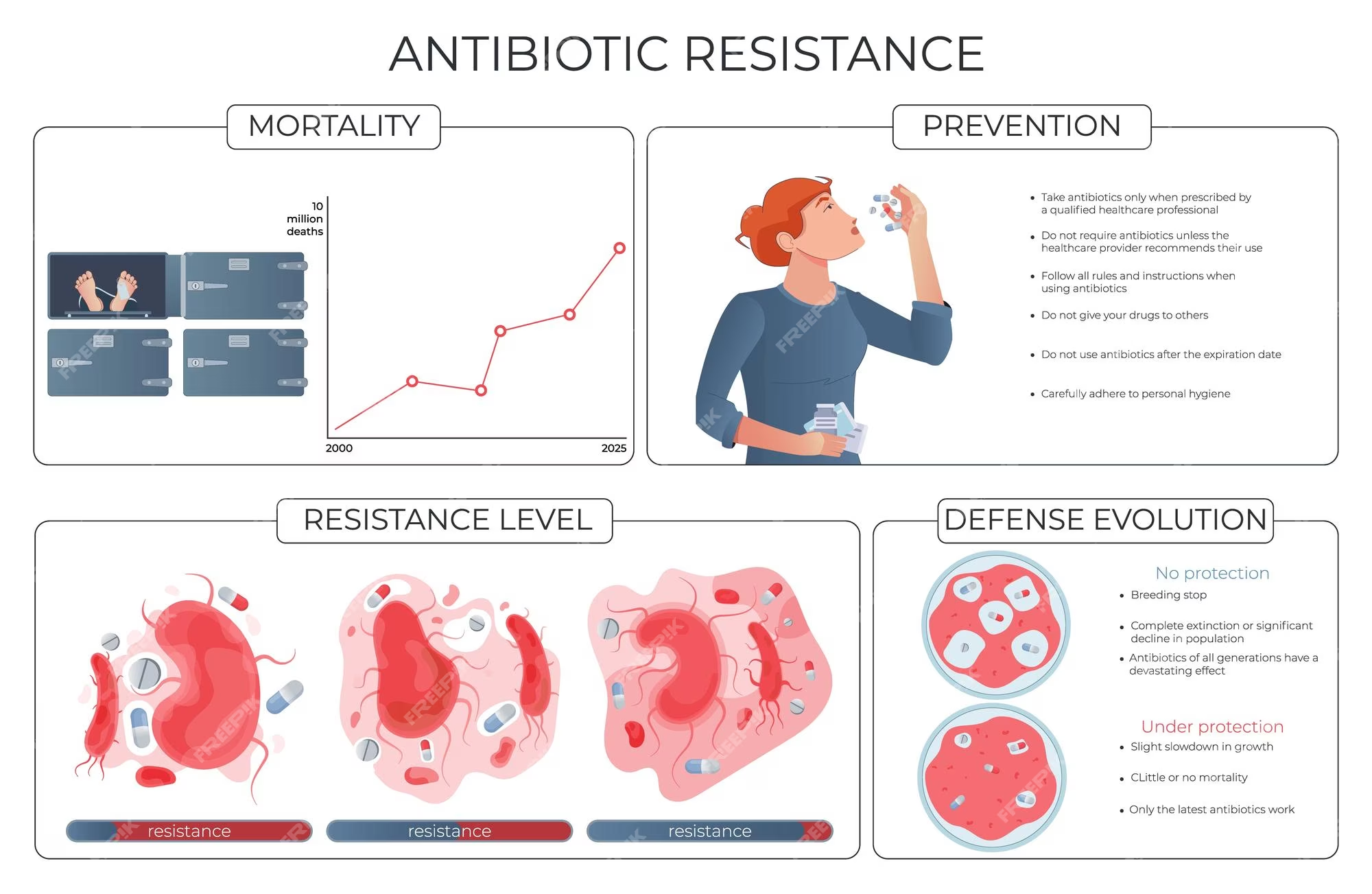
HIV drug resistance refers to the virus’s ability to mutate and reproduce in the presence of antiretroviral drugs, rendering them ineffective. This phenomenon can result in treatment failure, higher healthcare costs due to the need for more complex treatment regimens, and the transmission of drug-resistant HIV.
2.1 How Does Drug Resistance Develop?
HIV, like all viruses, naturally mutates as it reproduces. These mutations may result in a version of the virus that can survive and multiply in the presence of antiretroviral drugs. This mutated, drug-resistant virus can then become the dominant strain in the body if the drugs cannot effectively suppress it.
The development of drug resistance is often linked to inconsistent adherence to medication regimens. When doses are missed or taken irregularly, the concentration of drugs in the body may not be sufficient to suppress the virus, allowing the resistant strains to multiply.
2.2 Types of Drug Resistance
There are two primary types of drug resistance:
- Acquired Drug Resistance: This type of resistance develops when a person does not take their antiretroviral drugs as prescribed, allowing the virus to replicate and possibly develop resistance.
- Transmitted Drug Resistance: This occurs when a person is initially infected with a drug-resistant strain of HIV. The prevalence of transmitted drug resistance varies globally and can influence the choice of first-line antiretroviral therapy.
3. Detecting HIV Drug Resistance
Detecting drug resistance is crucial to ensure the effectiveness of HIV treatment. This is usually done through drug resistance testing, which is recommended when a person is first diagnosed with HIV, before starting treatment, and whenever a treatment plan fails to suppress the virus.
3.1 Drug Resistance Testing
Drug resistance testing involves taking a blood sample to identify any resistance mutations. There are two main types of tests:
- Genotype Testing: This test identifies drug resistance mutations in the genes of HIV. It is typically the first test conducted when resistance is suspected.
- Phenotype Testing: This test measures the ability of HIV to grow in varying concentrations of antiretroviral drugs. It is usually conducted if a person has complex drug resistance patterns.
4. Impact of HIV Drug Resistance
The development of HIV drug resistance can have several implications, including:
- Treatment Failure: If the virus is resistant to the drugs used in treatment, the drugs will not be able to suppress the virus effectively, leading to treatment failure.
- Limited Treatment Options: Resistance to one drug can sometimes lead to cross-resistance to other drugs in the same class, limiting future treatment options.
- Increased Transmission: Drug-resistant HIV can be transmitted to others, leading to an increase in the prevalence of drug-resistant HIV in the community.
5. Managing HIV Drug Resistance
If HIV drug resistance develops, it’s important to change the treatment regimen as soon as possible. Resistance does not mean the end of treatment options. There are now several antiretroviral drugs that are effective against drug-resistant HIV.
5.1 Changing HIV Treatment
The choice of a new treatment regimen depends on several factors, including the person’s treatment history, the results of drug resistance tests, and the person’s lifestyle and preferences. It’s crucial to discuss these factors openly with the healthcare provider to ensure the chosen regimen is effective and manageable.
The new regimen will likely include at least two, possibly three, drugs that the virus is susceptible to, based on resistance testing. This approach, called combination antiretroviral therapy (cART), is designed to prevent further development of resistance.
5.2 Adherence to HIV Treatment
Strict adherence to the new treatment regimen is crucial to prevent the development of further resistance. This includes taking the drugs at the right time every day, following any food requirements, and avoiding drug interactions.
Support from healthcare providers, counseling services, and adherence aids can be invaluable in helping individuals adhere to their treatment regimens.
6. Prevention of HIV Drug Resistance
Preventing the development of drug resistance is far better than managing it. This can be achieved by:
- Adhering to the Treatment Regimen: Taking antiretroviral drugs as prescribed is crucial for their effectiveness. Missing doses or not taking drugs consistently can lead to the development of resistance.
- Regular Monitoring: Regular viral load testing can detect early signs of drug resistance, allowing for timely changes to the treatment regimen if necessary.
- Resistance Testing: Conducting resistance testing before starting treatment can help tailor the regimen to avoid drugs to which the virus is already resistant.
7. Future Perspectives
While drug resistance is a challenge in HIV treatment, the future holds promise. Research is ongoing to develop new drugs that are effective against drug-resistant HIV. Additionally, strategies are being explored to prevent and manage drug resistance, including improved adherence strategies, more effective drug combinations, and novel drug classes.
8. Resources and Support
Living with HIV and managing drug resistance can be challenging, but you are not alone. Numerous resources and support services are available to help you on this journey. These include:
- Counseling Services: Counseling can provide emotional support and help you deal with any difficulties you may be facing.
- Support Groups: Support groups can offer a safe space to share experiences and learn from others who are facing similar challenges.
- Educational Resources: Understanding HIV and drug resistance can empower you to make informed decisions about your treatment.
- Healthcare Providers: Your healthcare team is an important source of support and can provide personalized advice and treatment options.
9. Conclusion
HIV drug resistance is a significant challenge in the journey of HIV treatment. However, with the right understanding, adherence to treatment, regular monitoring, and timely management strategies, it is a challenge that can be effectively managed. Remember, you are not alone in this journey; numerous resources and support services are available to help you live a healthy life with HIV.
10. References
- WHO HIV Drug Resistance
- Verywell Health: HIV Drug Resistance
- WebMD: HIV Drug Resistance
- PAHO: HIV Drug Resistance
- Terrence Higgins Trust: Resistance and Changing Your Treatment
- VA: FAQ: What is drug resistance in HIV and how can you avoid it?
Remember, it’s important to have open and honest conversations with your healthcare provider about your treatment plan and any challenges you may face. Together, you can navigate the complexities of HIV treatment and drug resistance, ensuring you live a healthy and fulfilling life with HIV.