Understanding HIV and Life Expectancy
HIV life expectancy refers to the average lifespan of individuals diagnosed with the Human Immunodeficiency Virus (HIV). This virus weakens the immune system, making it harder for the body to fend off infections and diseases. Historically, an HIV diagnosis was seen as a near-certain death sentence due to its high mortality rate. However, advancements in medical treatments and healthcare services have significantly increased the life expectancy of those living with HIV. Understanding this relationship between HIV and life expectancy is crucial for affected individuals.
Factors Influencing HIV Life Expectancy
Life expectancy with HIV hinges on various factors. Age at diagnosis, overall health, disease stage, and treatment effectiveness are among the key determinants. These elements collectively shape the lifespan of HIV-positive individuals.
Complex Interplay Between HIV and Ageing
Ageing is an inevitable process, but its relationship with HIV is intricate. Research has demonstrated that HIV can accelerate ageing, resulting in earlier onset of age-related conditions like cardiovascular disease, bone loss, and cognitive decline. Conversely, older adults often receive HIV diagnoses later in the disease’s progression, leading to more severe complications and reduced life expectancy. Additionally, managing HIV alongside age-related health conditions presents unique challenges for older adults.
Historical Perspective: HIV Life Expectancy
The history of HIV/AIDS is marked by significant medical progress. During the early years of the epidemic, life expectancy for those with the virus was alarmingly low. However, the introduction of antiretroviral therapy (ART) in the mid-1990s revolutionized HIV management. ART, a combination of medications, impedes HIV replication, effectively transforming HIV into a manageable chronic condition. Consequently, many individuals living with HIV can expect to live nearly as long as the general population, provided they adhere to their treatment regimen and maintain a healthy lifestyle. Nonetheless, disparities in HIV life expectancy persist, particularly among older adults and marginalized communities.
Examining Current Statistics
Determining how long one can live with HIV is intricate and contingent on multiple factors, including timely treatment, overall health, and concurrent chronic conditions. According to the Centers for Disease Control and Prevention (CDC), an HIV-positive 20-year-old, commencing ART promptly, can anticipate a lifespan into their early 70s, nearly mirroring the general population. However, these statistics can vary widely based on demographics, healthcare accessibility, and treatment adherence.
Older Adults: A Unique Perspective
The CDC defines older adults as individuals aged 50 or older. This group faces distinctive challenges concerning HIV/AIDS, often receiving diagnoses later in the disease’s course, leading to more severe complications and reduced life expectancy. Furthermore, older adults living with HIV are more likely to have other chronic health conditions, intensifying the complexity of their healthcare management. Despite these challenges, appropriate treatment and care can enable older adults living with HIV to enjoy long, healthy lives.
Prevalence Among Older Adults
HIV’s prevalence among older adults is notable. In 2018, individuals aged 50 and older accounted for nearly half of all HIV cases in the United States. This underscores the necessity for tailored interventions to meet the unique needs of this demographic.
HIV/AIDS in the United States: A Broad Overview
Approximately 1.2 million people in the United States are living with HIV, affecting individuals of diverse ages, races, and socioeconomic backgrounds. Vulnerable populations, including gay and bisexual men, transgender women, people who inject drugs, and residents of certain geographic regions, face higher HIV infection risks. Progress has been made in reducing new infections and enhancing health outcomes, but ongoing efforts are imperative.
Age and HIV Risk
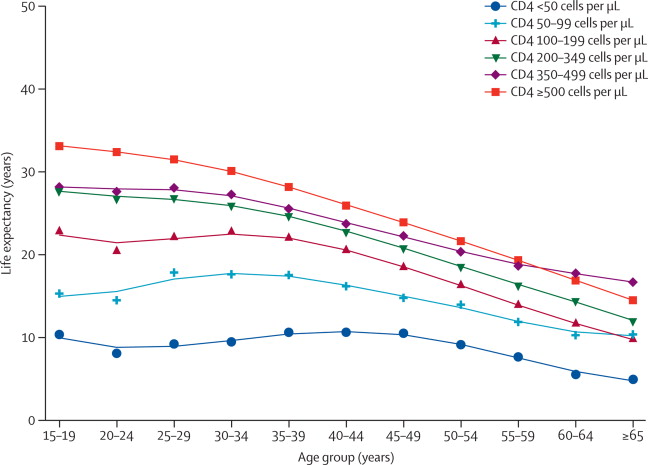
Age plays a pivotal role in HIV risk. Young adults, particularly those aged 25 to 34, exhibit the highest HIV infection rates, primarily due to factors like sexual behavior, drug use, and inadequate knowledge of HIV prevention. Nevertheless, older adults remain susceptible to HIV, accounting for 17% of new diagnoses in 2018. This highlights the necessity for comprehensive prevention and education efforts.
Breakthrough Treatments and Life Expectancy
Significant strides have been made in HIV treatment over recent decades. Breakthrough treatments have not only improved health outcomes but have also considerably increased the life expectancy of older adults with HIV. Antiretroviral therapy (ART) stands as one of the most significant advancements. ART prevents HIV replication, allowing the immune system to recover and combat infections. When adhered to properly, ART can reduce HIV to undetectable levels, effectively halting disease progression and substantially enhancing life expectancy.
Support for Senior Citizens
In addition to medical treatment, support services are indispensable in assisting senior citizens with HIV in managing their health and sustaining their quality of life. These services encompass case management, mental health counseling, nutritional support, and aid with transportation and housing. Several organizations and programs are dedicated to delivering these services, serving as invaluable resources for older adults in navigating healthcare, medication management, and coping with the emotional and social aspects of living with HIV.
Conclusion: The Promising Future of HIV Treatment and Life Expectancy
HIV treatment and life expectancy have transformed remarkably in recent decades. Medical research and innovations have extended the lifespan and improved the quality of life for individuals with HIV. Nonetheless, challenges persist, particularly among older adults. To further enhance early detection and treatment, address the unique needs of this demographic, and mitigate disparities in HIV outcomes, sustained efforts are essential. The future of HIV treatment is optimistic, with ongoing research and innovation potentially leading to increased life expectancy and, ultimately, the discovery of an HIV cure.