Understanding HIV and AIDS in TeensHIV (Human Immunodeficiency Virus) is a virus that attacks the body’s immune system, impairing its ability to effectively combat infections and diseases. If left untreated, HIV can lead to AIDS (Acquired Immune Deficiency Syndrome), the most severe phase of HIV infection. Unfortunately, teens make up a significant portion of individuals newly diagnosed with HIV. This amplifies the importance of understanding the scope and impact of HIV and AIDS in teens.
HIV can be transmitted through certain body fluids—blood, semen, vaginal fluids, and breast milk—from a person infected with the virus, often through sexual contact, sharing needles, or from mother to child during birth or breastfeeding. It’s essential to note that while HIV is a serious health issue, it’s also a preventable and manageable one. Teens, unfortunately, face several challenges, including lack of knowledge about HIV, limited access to testing and treatment, and stigma associated with the disease.
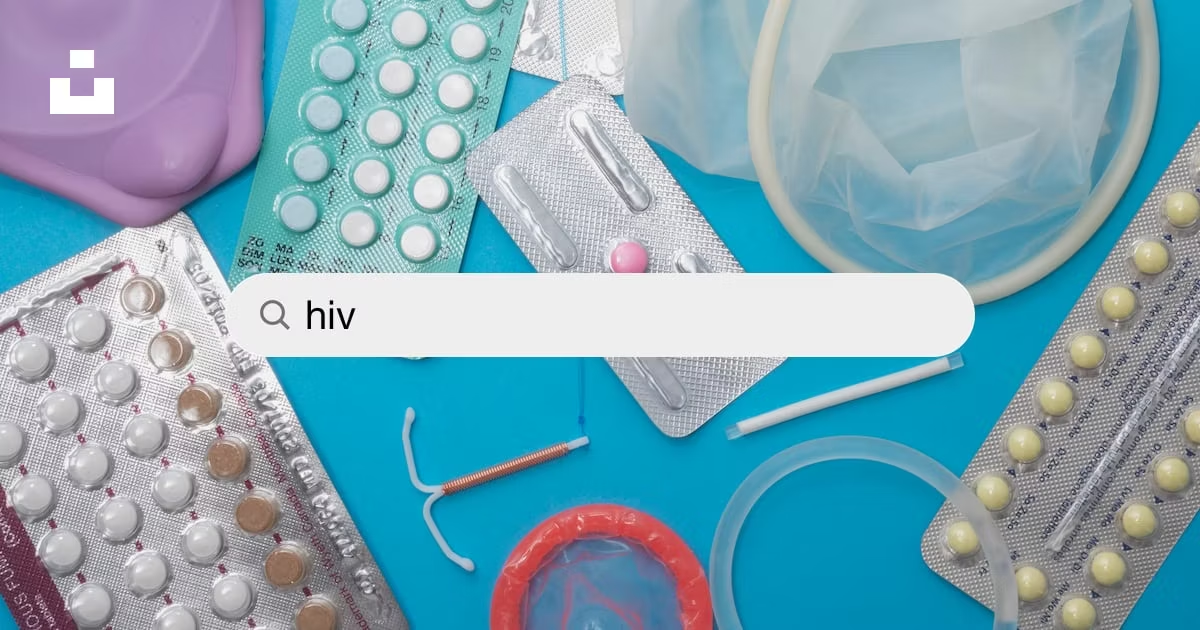
Image Source: Unsplash
While HIV in teens is a significant issue, remarkable advances in HIV treatments have been made over the past few decades. These advancements have dramatically improved not only the lifespan but also the quality of life for teens living with HIV.
An Overview of Modern HIV Treatment Methods
Modern HIV treatment methods primarily revolve around antiretroviral therapy (ART), a combination of medicines used to slow the progression of the HIV infection in the body. ART is recommended for all individuals with HIV, regardless of their CD4 cell count or viral load.
The primary goal of ART is to reduce the amount of HIV in the body to an undetectable level, meaning the amount of virus in the blood is so low that it cannot be measured by standard tests. Achieving an undetectable viral load not only helps keep the person healthy but also significantly reduces the risk of transmitting the virus to others.
ART involves taking a combination of HIV medicines every day, ideally for life. While ART can’t cure HIV, it can help people with the virus live healthier, longer lives and reduce the risk of HIV transmission. It’s essential for teens living with HIV to start ART as soon as possible after their diagnosis.
The Impact of Modern HIV Treatments on the Lives of Infected Teens
The advent of modern HIV treatments has revolutionized the lives of infected teens. Before these advancements, an HIV diagnosis was often seen as a death sentence. Now, with consistent treatment, teens with HIV can lead long and healthy lives.
Modern HIV treatments have also helped reduce the stigma associated with HIV. The prospect of living a healthy life with the virus has helped shift societal views, making it easier for teens to disclose their status and seek support from their community.
Moreover, modern treatments have made it possible for teens with HIV to plan for a future, including having healthy relationships, pursuing careers, and even starting families of their own. The fundamental shift in the outlook of teens living with HIV cannot be overstated.
How HIV Treatment Guidelines are Changing
HIV treatment guidelines have evolved significantly over the years. The development and refinement of ART have led to changes in when and how treatment should be started and which drug combinations should be used.
Previously, treatment was often delayed until the person’s CD4 count fell below a certain threshold. However, recent aids info guidelines recommend starting treatment as soon as possible after diagnosis. This change reflects our improved understanding of the benefits of early treatment, including preserving the immune system and reducing the risk of transmission.
Moreover, the guidelines now recommend specific drug combinations, considered the most effective and tolerable. This includes the use of integrase inhibitors, a newer class of medications that have been shown to be highly effective in controlling HIV.
The Role of Pediatric HIV Treatments in Managing HIV in Teenagers
The field of pediatric HIV treatments has come a long way. These treatments are specifically designed to suit the unique needs of children and teenagers, taking into account factors like the child’s size, growth, and development.
Pediatric HIV treatments, like ART, work to reduce the amount of HIV in the body, helping children and teens with HIV stay healthy and live longer. These treatments are crucial in managing HIV in teenagers, as they can prevent the virus from progressing and damaging the immune system.
One of the main challenges in pediatric HIV treatments is ensuring adherence to the treatment regimen. Teens may struggle with the daily routine of taking their medication, which is why it’s crucial to find strategies to support them. This could include involving them in treatment decisions, using reminders, and addressing any side effects they may be experiencing.
The Use of PrEP in the Age of HIV and Its Relevance to Teens
PrEP, or pre-exposure prophylaxis, is a preventive method used by people who are at a high risk of getting HIV. It involves taking a specific HIV medication daily to reduce the risk of infection if exposed to the virus.
PrEP has been shown to be highly effective when taken as prescribed and is recommended as a key preventive method for teens at high risk of HIV. This includes teens who have an HIV-positive sexual partner, those who don’t consistently use condoms during sex, or those who share needles or use drugs.
The incorporation of PrEP into HIV prevention strategies has been a game-changer, providing an additional layer of protection for at-risk teens. However, access to and awareness of PrEP remain challenges, particularly among teens, and efforts are needed to increase its use among this population.
Who is Most At Risk from HIV?
While anyone can get HIV, certain groups are more at risk than others, including men who have sex with men, people who inject drugs, and people in serodiscordant relationships (where one person has HIV and the other does not).
Teens, particularly those who are sexually active or use drugs, are at a heightened risk of HIV. Factors like a lack of comprehensive sex education, limited access to condoms and testing services, and high rates of other sexually transmitted infections can all increase a teen’s risk of getting HIV.
It’s important to note that HIV does not discriminate, and anyone, regardless of their age, race, or sexual orientation, can get the virus. Therefore, prevention measures, including regular testing, condom use, and PrEP, should be emphasized to all teens.
The Age Group with the Highest Risk of HIV Infection
According to the World Health Organization, young people between the ages of 15 and 24 account for an estimated 21% of new HIV infections worldwide. This makes them the age group with the highest risk of HIV infection.
There are several reasons why this age group is particularly vulnerable. They are often exploring their sexuality and may engage in risky behaviors, like unprotected sex or drug use. Furthermore, they may lack access to accurate information about HIV and prevention methods, leading to misconceptions and risky behaviors.
The high HIV infection rate in this age group underscores the urgent need for targeted prevention efforts, including comprehensive sex education, increased access to condoms and testing services, and the promotion of PrEP.
Living with HIV: Stories of Teens with AIDS
Living with HIV is undoubtedly challenging, but many teens with HIV are not only surviving but thriving. Their stories serve as a testament to the power of modern HIV treatments and the resilience of the human spirit.
Take, for example, a teen who was born with HIV and has been living with the virus her entire life. Thanks to early diagnosis and consistent treatment, she has been able to manage her condition and lead a normal life. She is now a student at a prestigious university, striving to raise awareness about HIV and fight the stigma associated with the disease.
Then there’s the story of a young man who contracted HIV as a teenager through unprotected sex. Despite the initial shock and fear, he started treatment immediately and has since achieved an undetectable viral load. He now works as an HIV counselor, using his experience to educate others about the importance of prevention and early treatment.
These stories highlight the transformative impact of modern HIV treatments and the potential for a fulfilling life, even with an HIV diagnosis.
Conclusion: The Future of HIV Treatment for Teenagers
The future of HIV treatment for teenagers looks promising. With continual advancements in treatment methods, an HIV diagnosis no longer means a shortened lifespan or diminished quality of life.
Efforts are ongoing to develop even more effective and convenient treatments, with research currently exploring long-acting injectable treatments and even potential cures.
However, despite these advancements, challenges remain. Strides must be made to ensure all teens, regardless of their location or socioeconomic status, have access to these life-saving treatments.
Moreover, the battle against HIV goes beyond just treatment. It’s crucial to ramp up prevention efforts, educate teens about HIV, and tackle the stigma associated with the disease. Only then can we hope to truly turn the tide against this global epidemic.
As we look to the future, the focus must remain on ensuring that every teen, regardless of their HIV status, has the opportunity to live a healthy and fulfilling life. The advancements in modern HIV treatment methods are indeed revolutionizing the lives of infected teens, and with continued effort and innovation, the future can be even brighter.