Understanding HIV/AIDS: Overview and Transmission
When discussing health, there are few topics as important or as misunderstood as HIV/AIDS. Human Immunodeficiency Virus (HIV) is a virus that attacks the body’s immune system. If left untreated, it can lead to Acquired Immunodeficiency Syndrome (AIDS), a severe and potentially life-threatening condition. Unlike some viruses, the human body can’t completely get rid of HIV, even with treatment. Hence, once you get HIV, you have it for life.
HIV is transmitted through bodily fluids including blood, semen, vaginal and anal fluids, and breast milk. It’s spread mainly by sexual intercourse without a condom or sharing injection drug equipment with someone who has HIV. It’s also possible to get HIV from a mother to her baby during pregnancy, birth, or breastfeeding. However, it’s essential to remember that HIV is not transmitted through casual contact such as hugging, shaking hands, or sharing personal items.
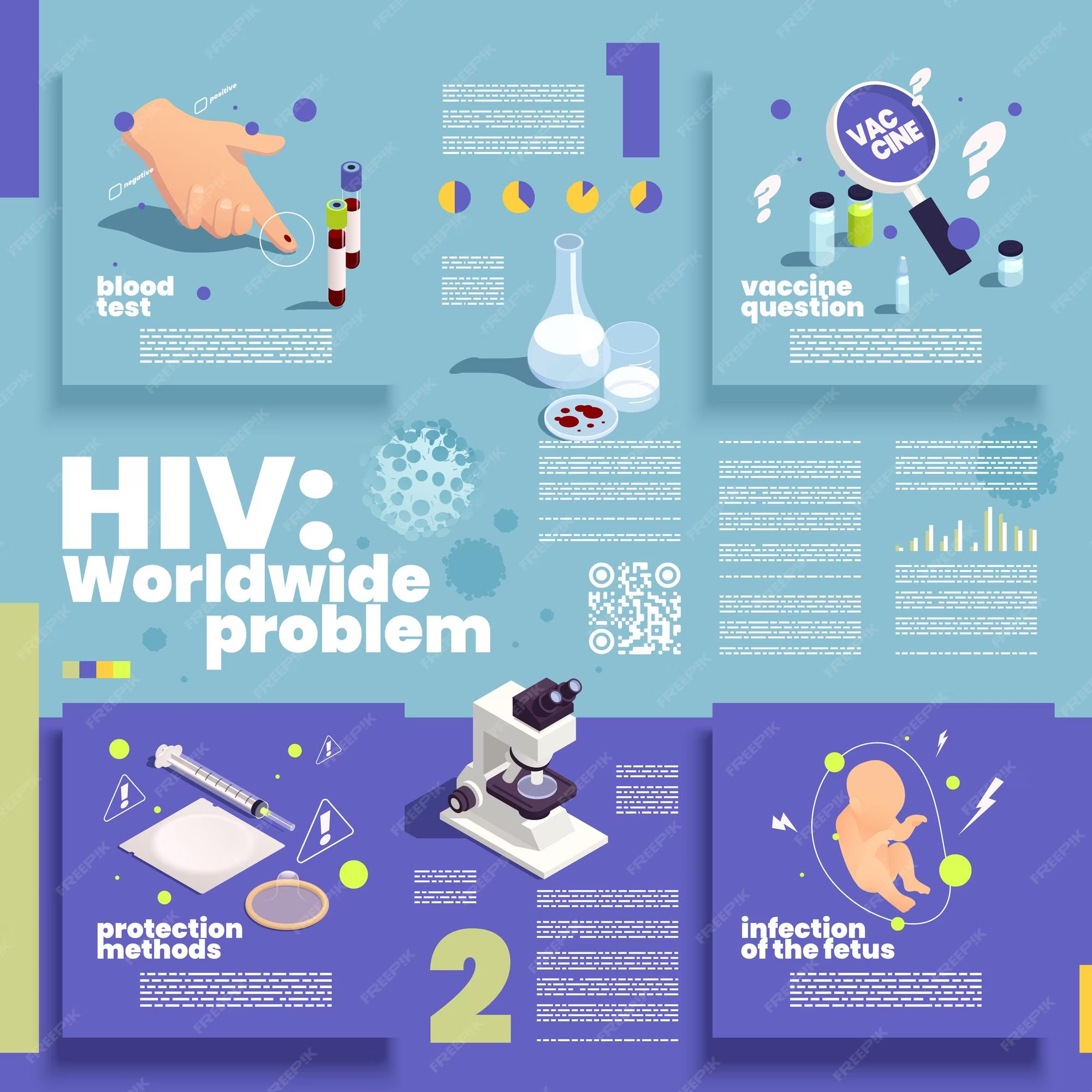
One of the most alarming aspects of HIV/AIDS is its silent progression. Many people with HIV don’t have symptoms for many years, so they may not know they have it. This lack of symptoms, coupled with the stigma surrounding HIV testing, leads to late diagnosis and treatment – a situation we need to change.
The Importance of Early HIV Diagnosis
Early diagnosis of HIV is critical, not just for the health of the individual, but for the community as well. When a person knows they have HIV, they can take steps to protect their own health and prevent the spread of the virus to others.
The first advantage of early diagnosis is that it allows for prompt initiation of HIV treatment, which can significantly improve long-term health outcomes. HIV treatment works by reducing the amount of virus in the body to undetectable levels, which helps the immune system to recover and fight off infections and diseases.
The second advantage of early diagnosis is that it reduces the risk of transmitting the virus to others. When the amount of virus in the body is reduced to undetectable levels, the risk of passing HIV to a sexual partner is significantly lowered. This is often referred to as ‘treatment as prevention’.
How is HIV Diagnosed?
HIV is diagnosed through blood tests that detect the presence of HIV antibodies or the virus itself. The most common type of HIV test is the antibody screening test, also known as the ELISA test. If this test is positive, a second test called the Western blot is used to confirm the diagnosis.
In addition to these standard blood tests, rapid tests and home testing kits are also available. Rapid tests provide results within 30 minutes, while home testing kits allow individuals to collect a sample at home and send it to a laboratory for testing. It’s important to remember, though, that a positive result from a rapid test or home testing kit must be confirmed with a standard blood test.
For those who have recently been at risk of HIV exposure, a type of test called an RNA test may be used. This test can detect the virus directly, rather than the antibodies, and can therefore diagnose HIV earlier than other tests.
The Crucial Role of Early Detection in HIV Treatment
Once HIV is detected early, treatment can begin immediately. The primary goal of HIV treatment is to reduce the amount of virus in the body to undetectable levels. This helps the immune system to recover and fight off infections and diseases.
Starting HIV treatment early has several benefits. First, it can slow the progression of the disease and improve the quality of life of the person living with HIV. Second, it can reduce the risk of developing severe illnesses associated with AIDS. Third, it can lower the risk of transmitting the virus to others.
Delaying HIV treatment, on the other hand, can lead to a more rapid progression of the disease. It can also increase the risk of developing AIDS-defining conditions and other serious illnesses. Therefore, early detection and treatment of HIV are crucial for maintaining good health and preventing the spread of the virus.
The Different Stages of HIV/AIDS and Corresponding Treatments
HIV progresses in stages, and the treatment approach may vary depending on the stage of the disease. The first stage is the acute infection stage, which occurs 2 to 4 weeks after infection with HIV. This stage is characterized by a large amount of virus in the blood and the appearance of HIV antibodies. The treatment at this stage focuses on reducing the viral load and managing symptoms.
The second stage is the clinical latency stage, during which the virus reproduces at very low levels. This stage can last for many years, and people in this stage may not feel sick or have any symptoms. However, without treatment, the virus will eventually break down the immune system and lead to AIDS.
The third stage is AIDS, the most severe phase of HIV infection. People with AIDS have severely damaged immune systems, making them susceptible to opportunistic infections and cancers. Treatment at this stage involves managing symptoms, preventing and treating opportunistic infections, and prolonging life.
Overview of HIV/AIDS Medications
HIV treatment involves the use of medications that slow the progression of the virus in the body. These medications are called antiretroviral therapy (ART). ART is recommended for all people with HIV, regardless of how long they’ve had the virus or how healthy they are.
ART involves taking a combination of HIV medicines every day. These medications work by blocking the virus from replicating, which helps to reduce the viral load, boost the immune system, and prevent HIV transmission to others.
There are several classes of HIV medications, including nucleoside reverse transcriptase inhibitors (NRTIs), non-nucleoside reverse transcriptase inhibitors (NNRTIs), protease inhibitors (PIs), fusion inhibitors, and integrase strand transfer inhibitors (INSTIs). These drugs are often used in combination to provide the most effective treatment.
The Impact of Early Treatment on the Progression of HIV
Early treatment of HIV has a profound impact on the progression of the disease. Studies have shown that starting ART early can slow the progression of HIV and prevent the development of AIDS. This is because early treatment reduces the amount of virus in the body, which helps the immune system to recover and stay strong.
Early treatment also reduces the risk of transmitting the virus to others. This is because when the amount of virus in the body is reduced to undetectable levels, the risk of passing HIV to a sexual partner is significantly lowered.
Moreover, early treatment can improve the quality of life of people living with HIV. It can help them to maintain their health, continue with their daily activities, and live a long and healthy life.
The Role of Antiretroviral Therapy in HIV Treatment
Antiretroviral therapy (ART) plays a central role in HIV treatment. ART involves taking a combination of HIV medicines every day to slow the progression of the virus. It’s recommended for all people with HIV, regardless of how long they’ve had the virus or how healthy they are.
ART works by blocking the virus from replicating. This helps to reduce the viral load, boost the immune system, and prevent HIV transmission to others. By doing so, ART can slow the progression of HIV, prevent the development of AIDS, and prolong life.
It’s important to note, though, that while ART can control HIV, it can’t cure it. Even with effective treatment, the virus remains in the body. Therefore, people with HIV need to take ART for life.
Living with HIV: Managing Your Health and Life
Living with HIV can be challenging, but with proper care and treatment, people with HIV can lead healthy and fulfilling lives. Key to living well with HIV is managing your health. This involves taking your HIV medications every day, attending regular medical appointments, eating a healthy diet, exercising regularly, and getting enough sleep.
In addition to managing your physical health, it’s also important to take care of your mental health. Living with a chronic condition like HIV can be stressful and may lead to feelings of fear, sadness, or anxiety. It’s important to seek help if you’re feeling this way. Counseling, support groups, and medications can all help to manage mental health challenges.
Living with HIV also involves managing your life. This means taking steps to prevent transmitting the virus to others, dealing with stigma and discrimination, and planning for the future. With the right support and care, you can live a long, healthy, and fulfilling life with HIV.
Conclusion: The Critical Need for Early HIV Diagnosis and Treatment
In conclusion, early diagnosis and treatment of HIV are crucial for improving health outcomes, preventing the spread of the virus, and enhancing the quality of life of people living with HIV. If you think you may have been exposed to HIV, get tested. If you’re diagnosed with HIV, start treatment as soon as possible. And if you’re living with HIV, manage your health and live your life to the fullest. In the fight against HIV/AIDS, early diagnosis and treatment are our most powerful weapons.